

What is a Peacoat?
A peacoat is a classic outer garment with deep roots in naval history, widely recognized for its distinct style and functionality. Originally designed for sailors in the European navies, particularly the Royal Navy, this coat emerged in the 18th century as a way to provide warmth and protection against harsh maritime conditions. The name “peacoat” is believed to have originated from the heavy wool fabrics known as “pilot cloth” or “p-coat fabric” that were traditionally used in its construction, characterized by their durability and water-resistant qualities.
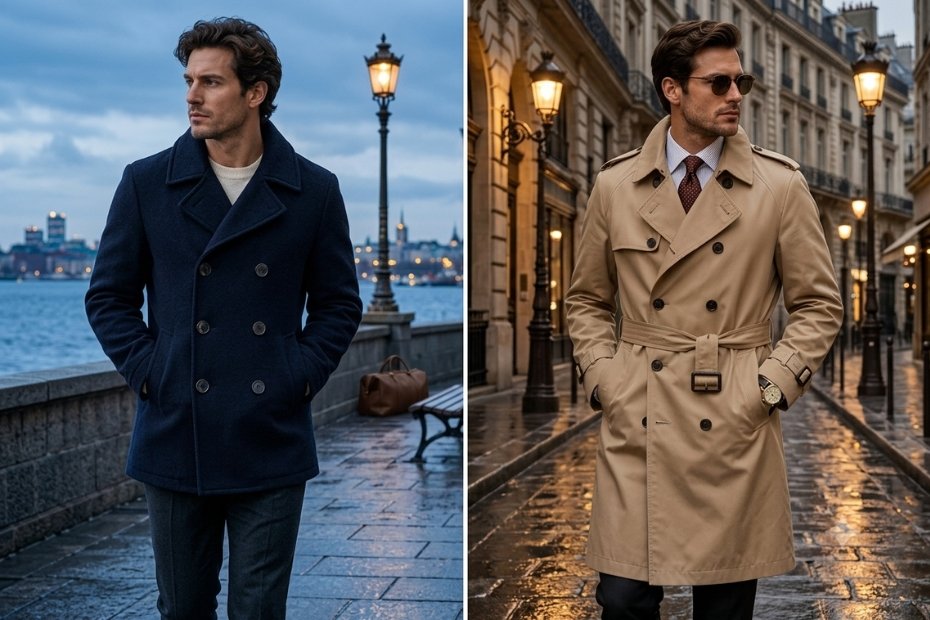
Typically, a peacoat features a double-breasted front, large notched lapels, and often includes side pockets for added practicality. The classic pattern is usually derived from solid navy blue, although modern iterations are available in various colors and designs. The length of the coat generally falls between hip and thigh, providing ample coverage while allowing for ease of movement, which was essential for sailors navigating the deck of a ship.
In addition to its nautical origins, the peacoat has evolved into a stylish choice for everyday wear. Its timeless silhouette pairs well with both casual and semi-formal attire, making it a versatile addition to a wardrobe. The inherent warmth of wool fabric makes it particularly suitable for cooler climates, allowing wearers to stay comfortable during transitional seasons. As a result, the peacoat remains a popular choice among fashion enthusiasts and is frequently featured in contemporary fashion collections, solidifying its status as not just a naval uniform but a staple piece in modern outerwear.
What Does a Peacoat Look Like?
A peacoat is a classic outerwear staple that embodies both functionality and style. Primarily known for its distinct double-breasted front, it is a short coat traditionally made from heavy wool. The peacoat’s cut is typically tailored, providing a fitted silhouette without compromising comfort, and it generally falls at the hip. This length makes it a versatile choice for a variety of occasions, from casual outings to semi-formal events.
The fabric of a peacoat is one of its defining characteristics. Usually crafted from a dense, durable wool, the fabric not only offers warmth but also exhibits a unique texture that enhances the coat’s aesthetic appeal. Variants may include blend materials featuring polyester or acrylic to provide additional weather resistance and ease of care. The wool used is often navy blue, although contemporary designs now present a palette of colors ranging from black to gray and even brighter hues.
In addition to its structural features, the peacoat is adorned with distinctive details that contribute to its vintage-inspired charm. Prominent large buttons made of brass or plastic are commonly found on the front, serving both decorative and functional purposes. The wide lapels of the coat allow for various styling options, often complemented by epaulets on the shoulders, which were initially included for naval insignia. Furthermore, while traditionally unlined, some modern versions of the peacoat now include an interior lining for enhanced comfort and warmth.
Overall, the peacoat’s combination of heritage design and contemporary nuances makes it a timeless addition to any wardrobe, embodying a seamless blend of utility and classic style that stands out in fashion history.
What Are Peacoats Made Of?
The peacoat, a classic outerwear garment, is traditionally crafted from various fabrics that emphasize warmth and durability. The quintessential material for peacoat construction is wool, particularly melton wool, which is dense and tightly woven. This fabric offers excellent insulation against cold weather while maintaining breathability, allowing for comfort even during fluctuating temperatures. Wool is not only functional but also provides a timeless aesthetic that enhances the coat’s authoritative presence.
In addition to traditional wool, other materials are often utilized in the making of modern peacoats. For instance, blends that include synthetic fibers can offer greater resistance to environmental factors such as water and wind, making them suitable for a variety of climates and weather conditions. These technical fabrics can also be lighter, providing ease of movement without sacrificing style or insulation.
Variations of the classic peacoat have emerged, often incorporating alternative materials such as cotton and polyester. These modern interpretations may appeal to different audiences, particularly those seeking more affordable options or specific styles. However, while these fabrics can simulate the look of traditional peacoats, they may not always provide the same level of warmth or durability associated with high-quality wool.
Furthermore, some contemporary peacoats feature additional elements like quilted linings or water-repellent finishes, enhancing their functionality. As fashion continues to evolve, it is essential for consumers to consider both the traditional craftsmanship and modern innovations available in peacoat options, ensuring they select a piece that meets their personal needs without compromising on quality.
What is a Trench Coat?
A Trench Coat is a long, double-breasted overcoat typically made of waterproof fabric, designed to provide both warmth and protection against the elements. Originally developed in the early 20th century, its lineage can be traced back to military uniforms, particularly those worn by British Army officers during the First World War. The functional design of the trench coat was intended to cater to the needs of soldiers, featuring elements that made it suitable for the rigors of trench warfare.
Historically, the trench coat has evolved from its military roots into a significant fashion item, gaining popularity in civilian attire following the war. Its association with armed forces granted it a sense of authority and style, which fashion designers capitalized on, enhancing the coat’s appeal to the general public. Over the decades, the trench coat has been reimagined and adapted, solidifying its place as a classic wardrobe staple.
Key features of a trench coat include its characteristic length, which typically extends to the knees or lower, and its construction from sturdy, water-resistant materials such as gabardine or cotton. The coat also features practical elements designed for usability, including shoulder epaulets, a belted waist, and deep pockets. Additionally, many trench coats are lined, often with a contrasting fabric, providing warmth and comfort during colder months.
In conclusion, the trench coat is not merely a practical garment; it embodies a rich history intertwined with military tradition, yet it remains a versatile piece suitable for various styles and occasions. Its enduring design elements and functional features ensure that the trench coat continues to be a beloved choice in contemporary fashion.
Peacoat vs. Trench Coat – Peacoats and Trench Coats in Fashion
Peacoats and trench coats have both established themselves as significant players in the realm of outerwear fashion. Each coat brings a distinct character and style to the wardrobe, adept at catering to a variety of occasions. The peacoat, characterized by its double-breasted front and often made of durable wool, has origins in naval attire which contribute to its rugged appeal. Over the decades, it has been embraced not just by sailors but by fashion enthusiasts seeking a classic yet edgy silhouette. Typically, peacoats are favored in casual settings, yet they can be dressed up for semi-formal events as well.
On the other hand, the trench coat is synonymous with sophistication and elegance, emerging from military roots to become a staple in haute couture. Recognizable by its belted waist and long silhouette, the trench coat is particularly popular during transitional seasons. Its versatility allows it to complement both formal and casual outfits, making it a preferred choice for numerous occasions from business meetings to evening outings. Fashion designers frequently showcase trench coats in their collections, utilizing various materials, colors, and design elements to keep the style contemporary and relevant.
The rising trend of relaxed and oversized fits in recent years has resulted in the resurgence of both peacoats and trench coats in modern fashion. Each coat offers unique benefits—while a peacoat delivers warmth and a laid-back style, a trench coat brings structure and elegance. This versatility has allowed both garments to maintain their popularity across various demographics and fashion preferences.
Are Peacoats Waterproof?
When considering outerwear options, the question of whether a peacoat is waterproof frequently arises among consumers. Peacoats, traditionally crafted from heavy wool, are renowned for their warmth and classic styling. However, wool itself is not inherently waterproof; rather, it provides a reasonable level of water resistance due to its natural fibers. This means that a peacoat can withstand light rain or minor moisture but will not keep the wearer completely dry in heavy downpours or prolonged exposure to wet conditions.
In contrast, trench coats are typically designed with a focus on weatherproofing. Most trench coats are made from water-resistant materials, often featuring coatings or treatments to enhance their ability to repel water. As a result, while a peacoat may offer some protection against moisture, a trench coat is a more suitable option for rainy weather, making it the ideal choice for those who frequently encounter wet conditions.
Moreover, the structure of each coat further influences their respective abilities in damp weather. Peacoats tend to be shorter in length, covering the torso but leaving part of the legs exposed to the elements. On the other hand, trench coats usually extend to the knee or lower, providing greater coverage against rain. Thus, if your wardrobe needs to accommodate rainy days, it might be prudent to prioritize a trench coat over a peacoat in your selection process.
Ultimately, while a peacoat serves as an excellent option for moderate cold and light precipitation, it is prudent to have a trench coat at your disposal for those particularly wet weather scenarios. By understanding the limitations of a peacoat regarding waterproof capabilities, individuals can make more informed decisions about the best outerwear for their specific needs and conditions.
Pros and Cons of Peacoats and Trench Coats
When evaluating fashion choices, particularly outerwear, it is essential to consider the pros and cons of each option. Peacoats and trench coats are both classic pieces that have found their place in modern wardrobes, yet they differ significantly in style, functionality, warmth, and suitability for various weather conditions.
Starting with the peacoat, one of its primary advantages is its versatile style. Traditionally made from wool, this coat features a double-breasted front and broad lapels, giving it a nautical flair that is both timeless and visually appealing. The peacoat excels in colder weather; its heavier fabric provides substantial warmth, making it ideal for chilly autumn and winter days. However, its short length may not provide ample protection against heavy rain, resulting in a limited range of functionality in wet conditions.
On the other hand, trench coats offer distinct advantages that cater to different needs. Typically crafted from water-resistant materials, these long garments provide excellent protection against rain and wind. The belt feature allows for adjustable fitting, enhancing both style and function, making them suitable for various body types. The trench coat’s lightweight nature ensures breathability, promoting comfort during transitional weather. However, it may not provide the same level of warmth as a peacoat, particularly in frigid climates, thus being less effective as a winter garment.
In terms of aesthetics, trench coats tend to exude a more professional and formal vibe, suitable for business meetings or formal occasions. Peacoats, with their more casual, relaxed appearance, are perfect for informal outings and can effortlessly transition from day to night. Each coat presents unique features that cater to different preferences and lifestyle requirements, ultimately leading to personal choice based on one’s fashion needs.
Peacoat vs. Trench Coat: Styling Guide
Both peacoats and trench coats offer versatile options for various occasions, making them wardrobe staples. Each coat has its unique characteristics that influence styling, enabling wearers to adopt suitable ensembles for both casual and formal settings.
When styling a peacoat, it is essential to consider its nautical heritage; thus, styling it with a casual flair often works best. A classic way to wear a peacoat is to pair it with fitted jeans or chinos, along with a simple crew-neck sweater or a turtleneck underneath. For footwear, ankle boots or loafers complement the look and maintain a polished appearance. Accessories such as a knitted scarf can add warmth while enhancing the overall aesthetic.
Opting for a trench coat allows for a broader range of styling options. For a casual outing, a trench coat worn over a graphic t-shirt and distressed jeans exudes an effortlessly chic vibe. Consider adding sneakers for a comfortable yet stylish finish. In colder weather, layering a trench over a sweater and tailored trousers can keep the outfit sophisticated, while ankle boots can add to the upscale feel. Don’t forget to incorporate belts; cinching the waist can provide a streamlined silhouette, enhancing the trench coat’s inherent elegance.
For formal events, both coats can seamlessly transition from day to evening wear. A peacoat can be paired with tailored trousers and a crisp dress shirt for a smart-casual look. In contrast, a trench coat complements suits beautifully, lending an air of sophistication and refinement. Accessories like wristwatches and leather gloves can elevate the formal attire further.
Ultimately, whether you gravitate towards a peacoat or a trench coat, understanding how to effectively style each will allow for diverse and fashionable outfits that cater to various occasions.
Peacoat vs. Trench Coat for Winter
When it comes to winter wear, both the peacoat and trench coat offer distinctive silhouettes and functionalities that cater to different preferences and needs. The peacoat, traditionally made from heavy wool, is designed to provide substantial warmth. Its short length and double-breasted front enhance insulation, making it an ideal choice for chilly conditions. The design often includes broad lapels and side pockets, contributing to its practicality in keeping the wearer warm while also providing a stylish appearance.
In comparison, the trench coat is characterized by its longer cut, generally reaching below the knee. It is commonly made of lightweight, rain-resistant materials which can be layered for additional warmth. While originally intended for milder weather, trench coats can often accommodate thicker insulation to make them suitable for winter as well. The adaptability of the trench coat offers styling versatility; however, its ability to retain heat may not match that of a peacoat in frigid temperatures.
For individuals residing in colder climates, where heavy insulation is paramount, the peacoat stands out as the preferred option. Its durable fabric and robust design ensure effective protection against winter winds and chills. Conversely, those who value a more modern, fashionable look and may encounter wet, slushy winters might gravitate towards a trench coat. With layered clothing, it retains a functional style that can accommodate both warmth and moisture resistance.
Ultimately, the choice between a peacoat and a trench coat will depend not only on the specific winter conditions the wearer faces but also on their personal style and comfort preferences. Thus, understanding the key winter features of both options is essential when making a decision that aligns with one’s wardrobe needs.
Men’s Style vs. Women’s Style: Peacoat vs. Trench Coat
Both peacoats and Trench Coats are staples in the realm of outerwear, yet they are styled distinctly according to gender, which influences their fit, color selections, and the overall approach to layering and accessorizing. When it comes to men’s style, the peacoat is often characterized by its double-breasted design, which pairs seamlessly with casual and formal wear. Typically made from wool, men may opt for classic navy or black, which enhances the coat’s versatility. Men’s peacoats are generally fitted, highlighting the shoulder and tapering at the waist to create a streamlined look.
On the other hand, women’s styling of the peacoat frequently embraces a slightly tailored fit that accentuates the waist, allowing for a more feminine silhouette. Women may also experiment with colors beyond the traditional choices, including pastels and earthy tones, to align with seasonal trends. Accessories, such as scarves or brooches, are often employed to enhance personal expression, making the peacoat a versatile choice.
Turning attention to trench coats, the traditional male version is often cut longer and looser, featuring a more straightforward design that is generally resistant to changing fashion trends. The male trench coat tends to be available predominantly in neutral colors like beige, khaki, and charcoal, providing an effortlessly chic layering option for both formal and casual looks.
Conversely, women’s trench coats often incorporate unique details such as belted waists and tailored cuts, allowing for dramatic flair. Women might select trench coats in vibrant shades or intricate patterns, bringing a sense of style that complements various outfits. Overall, when styling either peacoats or trench coats, the approach may differ significantly but both outerwear options provide adaptable and fashionable choices across genders.
Warmth vs. Water Resistance in Coats
When considering outerwear options, particularly the peacoat and trench coat, a critical factor to evaluate is the balance between warmth and water resistance. Each type of coat offers distinct advantages that cater to different needs and weather conditions.
The peacoat, traditionally made from heavy wool, excels in providing warmth. Its thick fabric effectively insulates against chilly temperatures, making it an excellent choice for cold winter days. The structure of the peacoat, often featuring a double-breasted design, further enhances its ability to trap body heat. In environments with biting winds or light snow, the peacoat stands out as a reliable option. However, its inherent wool composition may not perform well during heavy rainfall, as wool can absorb water and lose insulating properties when wet.
Conversely, the trench coat is designed with versatility in mind. Typically crafted from water-resistant materials such as cotton gabardine or nylon, it is specifically fashioned to combat inclement weather. The trench coat is ideal for scenarios involving rain, offering excellent water resistance due to its longer length and adjustable features like belts and cuffs, which provide protection against the elements. Yet, while it excels in wet conditions, the trench coat may not provide the same level of warmth as a peacoat, especially during colder months when the temperatures drop significantly.
Ultimately, the choice between a peacoat and trench coat hinges largely on the specific climatic needs of the wearer. Individuals anticipating cold and dry conditions may gravitate towards the peacoat for its superior insulation. In contrast, those facing wet environments without significant chill would find the trench coat to be a more appropriate and functional choice. Weighing these factors can aid consumers in making a well-informed decision suited to their lifestyle and environmental demands.
Best Coats for Layering
Layering is an essential technique for achieving comfort and style, particularly during colder seasons. Both peacoats and trench coats offer unique advantages when it comes to layering, and knowing how to combine these pieces effectively is crucial. A peacoat, traditionally made of wool, is crafted to provide substantial warmth. This coat can be layered over lighter tops such as cotton turtlenecks or sweaters, which create an insulation layer without adding excessive bulk. For a stylish look, choose colors and textures that complement each other.
On the other hand, the trench coat is designed with versatility in mind. Its thinner fabric allows for more dynamic layering options. For maximum warmth, consider layering a fitted thermal shirt under the trench. Additionally, a lightweight jacket can be worn underneath for added bulk and insulation without compromising the overall look. This approach is particularly effective on chilly, windy days.
Accessories play a crucial role in layering, too. Scarves, beanies, and gloves can enhance the aesthetic of both coats while providing additional warmth. Select a scarf that contrasts with your coat for a pop of color or a patterned texture to create visual interest. Similarly, choosing gloves in material such as leather or wool can elevate the outfit while adding practicality.
When seeking to maximize both warmth and style, layering is key. Experimentation with different combinations will help you discover what works best for your body type and personal style. Remember, the ultimate goal of layering is to find a balance between comfort and aesthetic appeal, making both the peacoat and trench coat versatile options in any winter wardrobe.
Conclusion
In comparing the peacoat and trench coat, it is evident that both outerwear options possess distinct characteristics that cater to different style preferences and functional needs. The peacoat, with its origins in naval attire, is known for its warmth and classic silhouette. Meanwhile, the trench coat, originally designed for military use, offers a more formal appearance with its elongated cut and water-resistant fabric. Both coats can be seamlessly integrated into various wardrobes, serving practical purposes while also enhancing style.
When considering a peacoat versus a trench coat, one must take into account personal style, climate, and intended use. The peacoat is ideal for colder, casual settings where comfort is prioritized alongside style. In contrast, the trench coat suits milder weather and provides an elegant option for more formal occasions. Additionally, the choice may be influenced by fabric preferences, as peacoats are typically made from wool while trench coats often utilize cotton or synthetic blends for durability and water resistance.
Ultimately, the decision comes down to individual preference and lifestyle requirements. Whether opting for the warmth and classic allure of a peacoat or the sophisticated versatility of a trench coat, both garments offer timeless appeal and can elevate an ensemble. Therefore, careful consideration of personal needs will guide you toward the outerwear that best complements your unique style.