
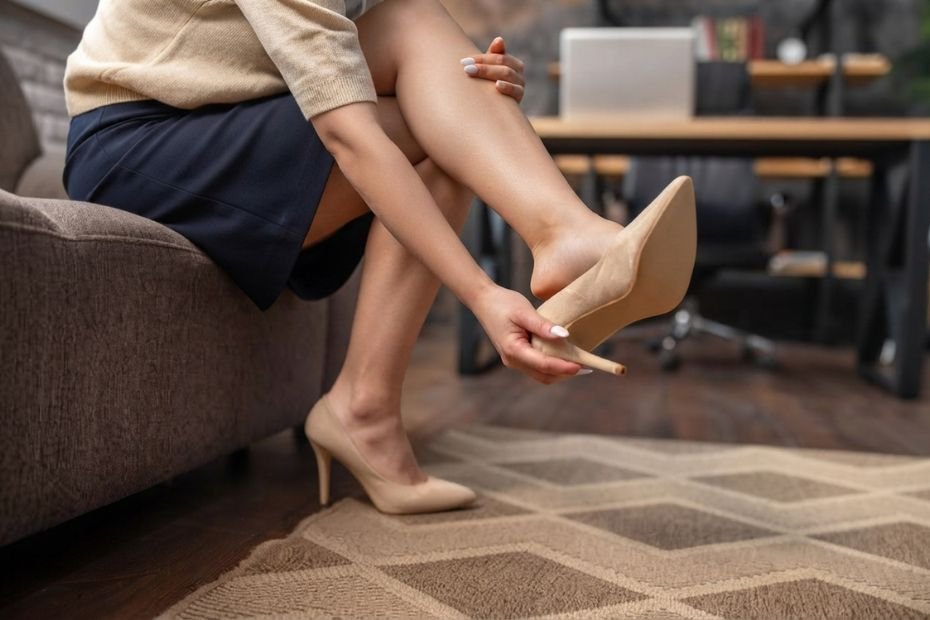

Introduction to Heel Slip
Heel slip is a common issue encountered by many individuals when wearing various types of footwear, ranging from casual sneakers to Formal Shoes. It occurs when the heel of the foot lifts away from the back of the shoe during walking or running, which can lead to discomfort and instability. Understanding heel slip is essential for anyone seeking to enhance their overall comfort in footwear, as excessive heel slip not only detracts from the performance of the shoe but can also result in blisters and other foot-related issues.
The significance of heel slip extends beyond mere inconvenience; it can influence how effectively a shoe performs in numerous activities. For athletes, a proper fit is crucial to maximize performance and minimize the risk of injury. Similarly, individuals engaged in daily activities rely on their footwear for support, comfort, and protection. Therefore, it is vital to identify the extent of heel slip that is considered normal, allowing for informed decisions regarding footwear selection and fit.
Heel slip typically arises from a variety of factors, including shoe design, manufacturing quality, and individual foot characteristics such as shape and arch. Consequently, some people may experience more heel slip than others due to their unique anatomy or the specific style of shoe they choose to wear. This complexity highlights the importance of accurately measuring foot dimensions and selecting appropriate footwear that minimizes the risk of heel slip.
In the following sections, we will delve deeper into the causes and consequences of heel slip, providing insights and practical recommendations to ensure optimal comfort and foot health. By understanding the dynamics of heel slip, individuals can make better choices about their footwear, ultimately enhancing their overall experience.
Understanding Heel Slip
Heel slip is a phenomenon that occurs when the shoe’s heel does not fit snugly against the back of the foot, leading to the movement of the heel within the shoe as a person walks or runs. This can result in discomfort and can affect performance, as a secure shoe fit is crucial for stability and power transfer while engaging in various activities.
The mechanics of heel slip can be attributed to several factors, primarily the design of the shoe and the anatomy of the foot. Shoe construction plays a significant role in determining the fit and support provided to the heel. Well designed Shoes should offer adequate cushioning, arch support, and a perfectly contoured heel cup to ensure that the heel remains securely in place. Conversely, if a shoe has a poorly structured heel counter the part that encases the heel— it can result in excessive movement and heel slip.
Moreover, individual foot anatomy also influences heel slip. The shape of a person’s heel, arch height, and forefoot width can vary significantly, making it essential that shoe manufacturers account for these differences in their designs. For instance, if a shoe is too wide or too loose around the heel area, it may exacerbate the problem of heel slip, leading to increased friction and potential blisters.
Additionally, the type of lacing system can affect how well a shoe grips the heel. Shoes with a lacing system that allows for customization can provide a more tailored fit. By adjusting the tightness across the shoe’s instep and heel area, users can minimize the likelihood of heel slip. Understanding these factors is crucial for athletes and casual wearers alike, as the right shoe can significantly enhance both comfort and performance.
Common Reasons for Heel Slip
Heel slip is a common issue that many individuals experience, particularly with various types of footwear, including shoes and boots. Understanding the reasons behind this phenomenon can help mitigate discomfort and improve fit. One primary cause of heel slip is poor-fitting shoes. When shoes are either too large or improperly shaped for the wearer’s foot, the heel can move freely within the shoe, resulting in a lack of support and stability. Choosing the right size and width is essential; if shoes are too long or too wide, the heels will inevitably slip, leading to discomfort during walks or runs.
Another significant factor contributing to heel slip is design flaws in footwear. Some shoe models may feature a heel cup that lacks adequate depth or structure, making it difficult for the heel to stay securely in place. Additionally, certain materials used in footwear can exacerbate the issue. For instance, slippery linings or overly flexible materials may provide insufficient grip, allowing the heel to slide out of the shoe with each step taken. Furthermore, high-heeled shoes can often be a culprit due to their narrow and unstable nature, causing additional heel movement.
It is also worthwhile to consider the role of foot anatomy. Individuals with specific foot shapes, such as those with high arches or flat feet, may experience more pronounced heel slip. This can be attributed to the anatomical variations that affect how Shoes fit. Insoles or arch supports may help alleviate the problem for individuals facing this challenge, providing additional stability and reducing heel movement.
By understanding these common reasons for heel slip, wearers can take proactive steps to choose the right footwear and make adjustments as necessary to minimize the impact and enhance comfort.
How Much Heel Slip is Normal?
Heel slip is a common phenomenon experienced by individuals when wearing shoes, and understanding what constitutes a normal amount is vital for both comfort and foot health. Generally, a minimal degree of heel slip is regarded as acceptable, particularly in Shoes designed for performance activities such as running or sports. This allows for some natural movement of the foot within the shoe as it accommodates foot mechanics during dynamic activities.
For most footwear, particularly athletic and casual styles, a slight heel slip of around 1/8 to 1/4 inch is considered standard. However, this measurement can vary based on several factors, including the shoe’s design, material, and the wearer’s foot shape. For instance, a shoe with a more rigid heel counter may limit movement, resulting in less heel slip compared to a softer construction where the foot can slide more easily.
Moreover, individual foot characteristics, such as arch height, width, and personal gait, also significantly influence the perception of heel slip. A wider foot may experience a different fit and feel in a shoe than a narrower foot, leading to variances in heel displacement. Thus, it is essential for consumers to assess how a particular shoe interacts with their unique foot structure, as what feels normal for one person may not be the same for another.
In conclusion, while some heel slip is normal and expected, it should be minimal in order to avoid discomfort or injury. Each individual should aim to find the optimal fit for their specific needs, which may necessitate trying various styles and sizes to achieve the most supportive and comfortable footwear experience.
Is Heel Slipping Bad for You?
Heel slip refers to the movement of the heel within a shoe, which can lead to a variety of negative consequences for both foot health and athletic performance. Understanding the impact of heel slipping is essential, particularly for athletes and individuals who engage in regular physical activities. Although a small amount of heel slip may be easily tolerated, excessive movement can result in discomfort and long-term complications.
One of the primary issues associated with significant heel slip is the potential for foot inflammation. When the heel constantly shifts within the shoe, it creates friction against the shoe’s interior, leading to blisters and skin irritation. Over time, this irritation can develop into more serious conditions such as plantar fasciitis, where the tissue that connects the heel bone to the toes becomes inflamed, resulting in chronic heel pain.
Furthermore, excessive heel slip can alter a person’s natural movement mechanics. An unstable heel position may cause compensatory movements in other parts of the foot and leg. These adaptations can lead to imbalances, affecting not just the feet but the knees and hips as well, potentially exposing individuals to injuries over time. For example, runners who experience excessive heel slip might notice a change in their stride, leading to fatigue and increased risk of strains, sprains, or overuse injuries.
Moreover, the impact of heel slipping is not limited to recreational athletes; it can also affect those in professions requiring prolonged standing or walking. Insufficient heel support can result in discomfort during everyday movements, ultimately reducing overall productivity and performance. Therefore, addressing heel slip through appropriate footwear choice or custom orthotics is crucial for maintaining foot health and preventing further complications.
How to Stop Heel Slipping in Shoes?
Heel slipping in Shoes can be a frustrating issue that many individuals experience, resulting in discomfort and instability while walking or running. Fortunately, there are several practical strategies to help reduce or eliminate this problem. By applying these methods, one can enjoy improved fit and overall comfort.
First, consider adjusting the lacing technique on your footwear. A tighter lacing system can help secure the heel while providing added stability. For certain shoe types, specialty lacing methods such as the “runner’s tie” can be effective, as it creates friction and locks the laces in place, thus minimizing heel movement.
Another effective approach is to use insoles that provide additional cushioning and support. Insoles come in various shapes and materials, such as foam and gel, which can help fill the empty spaces within the shoe, leading to a snugger fit around the heel. This added support can significantly diminish heel slip during wear.
Additionally, heel grips or pads can be installed within the shoe. These small adhesive pads adhere to the back of the shoe and provide extra friction against the heel. By raising the height of the heel area slightly, these grips create a better fit, reducing the likelihood of slipping during movement.
Furthermore, it is beneficial to select shoes that are specifically designed for your foot shape. Investing in footwear that fits correctly and is suitable for your activities will play a significant role in minimizing heel slip. When trying on shoes, it is essential to pay attention to how they feel around the heel and make adjustments as necessary.
Lastly, if you consistently experience heel slip with a particular pair of shoes, it may be worth consulting a footwear specialist or podiatrist for personalized recommendations.
Practical Solutions to Reduce Heel Slip
Heel slip, often experienced during physical activities, can significantly impact comfort and performance. Fortunately, there are practical solutions to mitigate this issue. The following strategies outline effective methods for reducing heel slip in footwear.
Firstly, consider sizing down. Many individuals wear shoes that are too large, resulting in unnecessary heel movement. When selecting footwear, ensure there is minimal space between the heel and the counter of the shoe. A snug fit will help prevent heel slip. However, it is crucial to achieve a balance; excessively tight shoes may lead to discomfort or blisters. Therefore, a proper fit should encompass both snugness and comfort.
Another proactive measure is to use lace locks. This technique involves adjusting the laces to create a tighter fit around the midfoot, which in turn secures the heel in place. To apply this method, simply alter the way the laces are threaded through the eyelets, incorporating a locking mechanism at the top. This adjustment can provide additional stability and help maintain heel position during movement.
Additionally, consider using heel grips or pads. These removable accessories can be placed inside the shoe, at the heel area, to provide extra cushioning and friction. This can be particularly beneficial for Shoes that are otherwise well-fitted but still allow for slight heel slip.
Finally, evaluating the type of sock you wear can also make a difference. Opt for thicker, cushioned socks designed for the specific activity, as they can fill the space and provide better grip inside the shoe. Wearing moisture-wicking materials can also prevent slippage caused by perspiration.
By employing these techniques, individuals can address the common issue of heel slip effectively, enhancing the overall fit and comfort of their footwear.
Alternative Products to Prevent Heel Slipping
Heel slip can be a common concern for many individuals, particularly when it comes to footwear. Fortunately, there are several alternative products available that can effectively help prevent heel slipping, ensuring a more comfortable and secure fit. Among these products, non-slip socks have gained significant popularity. Designed with enhanced grip technology, these socks feature special materials or patterns on the interior, which help to anchor the sock in place, reducing unwanted movement in the shoe.
Another useful option is toe pads. These pads can be placed in the front of the shoe to provide added cushioning and support to the toes, thereby reducing the chance of the heel lifting from the shoe. Toe pads create a snug fit, which can address any issues related to sizing discrepancies between the shoe and the foot. Furthermore, heel pads are specifically engineered to address heel slipping directly. These pads are typically adhesive-backed and can be easily inserted into the heel area of the shoe, adding extra grip and keeping the heel in place during movements.
In addition to these products, specialized insoles are another effective solution. These insoles are designed to offer a customized fit, improving the overall comfort and stability of the shoe. Many insoles come with built-in arch support, which not only provides comfort but also enhances the alignment of the foot within the shoe, reducing the likelihood of heel slip. With a variety of options available on the market, including those tailored for specific activities such as running or casual walking, consumers can choose insoles that best match their lifestyle and footwear needs.
FAQs about Heel Slip
Heel slip is a common concern among shoe wearers, particularly when seeking the perfect fit. Understanding the nuances of heel slip can help consumers make informed choices about footwear. One of the most frequently asked questions is, “What is considered an acceptable range of heel slip?” Generally, a small amount of heel slip, approximately 1/8 to 1/4 of an inch, is deemed acceptable. This slight movement can occur due to the natural flex of the foot during walking or running, and it is not usually a cause for worry. However, excessive heel slip can indicate that the Shoes do not fit properly and may result in discomfort or blisters.
Another common inquiry centers around the best practices for shoe selection to minimize heel slip. When shopping for shoes, it is paramount to prioritize the right size. A proper fit is essential; the shoe should feel snug but not excessively tight. Trying Shoes on with the socks intended for regular wear can also assist in determining the best fit. Additionally, consider the shoe’s construction. Styles featuring adjustable components, such as laces or straps, can provide greater stability and reduce heel slip. Materials that offer some degree of stretch can also accommodate different foot shapes, contributing to a better fit.
For those looking to retrofit their existing shoes to decrease heel slip, various approaches can be effective. Heel grips or pads can be inserted to create additional friction against the heel, thereby preventing slippage. In some instances, thicker insoles can help raise the foot within the shoe, reducing the space that leads to unwanted movement. Nonetheless, it is crucial to ensure any modifications do not compromise the shoe’s original fit or comfort. By implementing these strategies, wearers can enhance their footwear experience while addressing the common challenge of heel slip.