
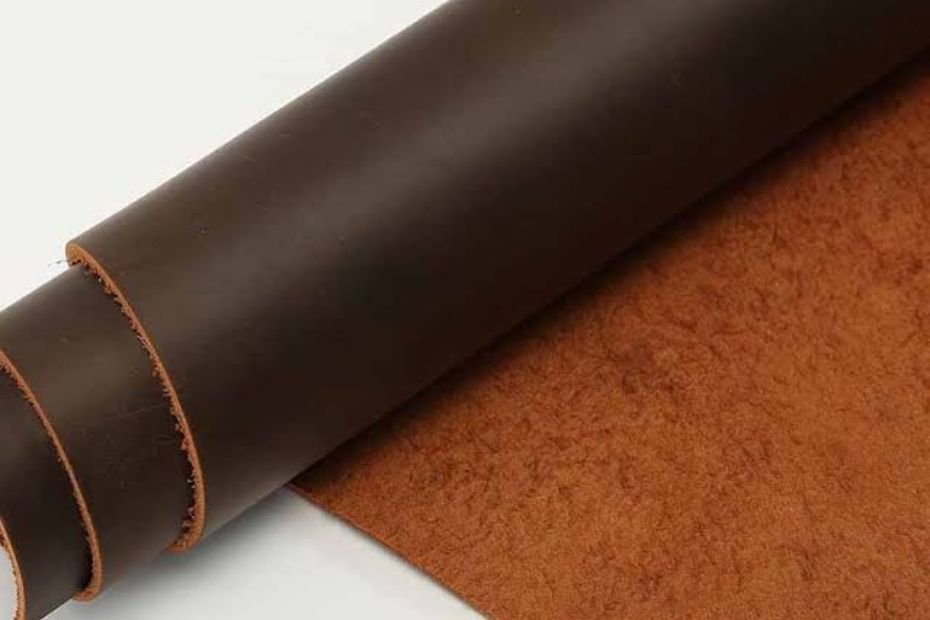

Introduction to Leather Types
When navigating the world of leather products, it is essential to understand the distinctions among the various types of leather available in the market. The terms “genuine leather,” “bonded leather,” and “faux leather” often come into play, and each type caters to different needs and preferences.
Genuine leather is made from real animal hides, making it an authentic and durable material. Its natural fibers provide a unique texture and appearance, and as genuine leather ages, it develops a patina that adds character. This type of leather is known for its strength and long-lasting qualities, often regarded as a premium choice for various products, from accessories to furniture.
In contrast, bonded leather involves scraps of genuine leather that are bonded together with adhesives and then coated with a layer of plastic. This type is often marketed as leather but is less durable than genuine leather. While bonded leather can be more affordable and may mimic the appearance of high-quality leather, it tends to have a shorter lifespan and may not develop the same desirable patina over time.
Lastly, faux leather, or synthetic leather, is manufactured from materials such as polyurethane or polyvinyl chloride (PVC). This type stands out due to its animal-friendly nature and wide availability in various colors and textures. While faux leather can be a budget-friendly alternative, it often lacks the durability and breathability that genuine leather provides, potentially leading to quicker wear and tear.
Understanding the distinctions between these leather types is vital for making informed purchasing decisions. Whether you seek quality and durability or affordability and style, recognizing the differences can enhance your experience while ensuring the longevity of your leather products.
Visual Inspection Techniques
When it comes to identifying real leather, visual inspection techniques play a crucial role in discerning its quality. One of the foremost characteristics to observe is the grain pattern. Authentic leather typically boasts a natural grain that is unique in appearance. Unlike synthetic materials, which often exhibit uniformity, genuine leather presents varying textures and patterns, making each piece distinct.
Another important aspect to consider is the texture of the leather. Real leather possesses a supple, warm feel, while synthetic alternatives may have a cold and plastic-like texture. When examining leather visually, look for richness and depth in color; genuine leather often has a more varied coloration with subtle undertones that can be drawn out through light. This depth is generally absent in synthetic options, which tend to display flat color without nuance.
It is also essential to scrutinize for any imperfections. Natural leather may have scars, blemishes, or character marks, which are indicative of the animal’s life. These imperfections should not be viewed negatively, as they signify authenticity; synthetic leathers, on the other hand, are often free of such imperfections, resulting in a somewhat artificial appearance.
Furthermore, observing the thickness of the leather can yield insights into its authenticity. Genuine leather is generally thicker than faux options, lending it durability and longevity. Often, the edge of the leather can reveal its quality; if it appears smooth and appears to be layered, it may indicate a synthetic material. Conversely, a raw edge that is rough can point to genuine leather.
In conclusion, relying on these visual inspection techniques will greatly enhance one’s ability to distinguish real leather from synthetic substitutes. The uniqueness of grain patterns, natural imperfections, and authentic texture offer invaluable clues that contribute to identifying high-quality leather products.
Smell Test for Genuine Leather
One of the most reliable indicators of genuine leather is its distinctive smell. Genuine leather has a rich, earthy scent that is hard to replicate, often connected with the natural tanning processes used to preserve the hide. In contrast, synthetic alternatives, such as pleather or other man-made materials, tend to emit a chemical or plastic-like odor that can be quite unpleasant. Understanding how to perform a smell test can aid in distinguishing genuine leather from its synthetic counterparts.
To effectively conduct a smell test, begin by selecting an item you suspect to be leather. Hold the item close to your nose and inhale deeply. Pay attention to the aroma; genuine leather should have a warm, inviting scent that can evoke a natural warmth, while synthetic materials generally lack this characteristic aroma. Some practitioners suggest that the smell of natural leather should remind one of a well-kept, aged book or an old leather jacket rich and inviting.
When performing the smell test, ensure that the environment is well-ventilated and that you are not inadvertently influenced by other odors around you. It can also be beneficial to compare an item suspected to be genuine leather with a known fake; this direct comparison can significantly enhance your ability to discern the difference.
In cases where the item is older, the scent may be less pronounced due to age or previous exposure to various environments. Therefore, it is advisable to combine the smell test with other identification techniques, such as checking for imperfections, distinct grain patterns, and the moistness of the leather. Utilizing a combination of these assessments will provide a comprehensive understanding and increase the likelihood of accurately identifying real leather in your possession.
The Touch and Feel Method
Identifying genuine leather can often be achieved through the tactility of the material. One of the primary indicators of real leather is its distinct softness. When you run your fingers across a piece of authentic leather, you will notice a subtle pliability that is lacking in most synthetic alternatives. Genuine leather is made from animal hide, which typically has a buttery smooth feel, whereas faux leather, made from plastic or synthetic compounds, tends to be more rigid and lacks this natural softness.
Another aspect to consider is the warmth of the leather when touched. Genuine leather retains heat effectively, providing a warm sensation that synthetic leather does not replicate well. When you hold real leather, you may notice that it feels warmer than its synthetic counterparts, which can feel somewhat cool or clammy to the touch.
Additionally, genuine leather has a unique way of responding to pressure. When you press your finger into real leather, it tends to spring back slowly, indicating its high-quality, resilient nature. In contrast, synthetic leather is likely to be less forgiving under pressure, exhibiting a quicker rebound that leaves the impression of being less durable.
Lastly, pay attention to the texture of the leather. Real leather often retains the natural grain and imperfections of the hide, which adds to its character and uniqueness. Synthetic options may appear overly uniform, lacking the rich, organic qualities found in authentic leather products. This touch and feel method serves as a reliable approach for discerning genuine leather from synthetic alternatives, enhancing your ability to make informed purchasing decisions.
Water Drop Test
The water drop test is a practical and reliable method for determining the authenticity of leather. This simple experiment can effectively distinguish between real leather and synthetic or faux materials, which is crucial for consumers seeking high-quality products.
To perform the water drop test, begin by selecting a small area of the leather item you wish to examine. Ensure that the surface is clean and free from any oils or dirt that may affect the outcome. Next, take a drop of water and place it on the leather surface. Observe the reaction closely. Genuine leather will absorb the water, allowing it to penetrate the material. Within a few moments, you will notice that the water has been absorbed, leaving the leather slightly darkened at the spot where the droplet was placed. This phenomenon occurs because real leather is porous and made from animal hides, which retain moisture.
Conversely, when a drop of water is placed on faux leather, the liquid will typically bead up, remaining on the surface without absorption. This response indicates that the material is likely synthetic, as faux leather is designed to be waterproof and lacks the characteristics of natural leather. If the water remains on the surface rather than being absorbed, it implies that the material is less breathable and is made from plastic or other artificial components.
In conclusion, the water drop test is an effective and straightforward approach for identifying real leather. By understanding how genuine leather reacts to moisture compared to synthetic alternatives, consumers can make informed decisions when purchasing leather goods. This test, while simple, provides valuable insights into the quality and authenticity of leather, thus enhancing the overall shopping experience.
Check for Brand and Production Labels
When discerning whether a leather product is authentic, the importance of brand recognition cannot be overstated. Established brands often have a reputation to uphold, which means they are more likely to use genuine leather and provide accurate information regarding their products. Therefore, one of the first steps in validating leather authenticity is to examine any labels or tags attached to the item.
Quality brands typically indicate the type of leather used, whether it is full-grain, top-grain, or a lower quality split leather. Full-grain leather is recognized for its superior durability and ability to develop a beautiful patina over time. Alternatively, top-grain leather is slightly corrected for imperfections but still retains much of the leather’s inherent qualities. Products labeled as genuine leather can often be deceptive, as this term is commonly used for lower-quality materials that may not provide the same level of craftsmanship or longevity.
Moreover, production labels can offer insights into the sourcing of the leather, which is crucial in establishing authenticity. Look for information regarding the tanning process, as traditional methods often result in a more genuine product compared to synthetic alternatives. Labels may also specify the country of origin; leather from certain regions, such as Italy or Argentina, is often regarded as being of superior quality. By investigating both the brand and production labels, consumers can significantly enhance their understanding of the leather’s source and quality.
Ultimately, being discerning about labels is key to identifying real leather. An informative label not only boosts confidence in the purchase but also encourages a more sustainable approach by supporting reputable brands that prioritize quality craftsmanship in their leather goods.
Price Points and Value Consideration
When evaluating leather goods, understanding the correlation between price and quality is crucial. Leather is a natural material, and its production is labor-intensive and time-consuming, which often reflects in its price. Generally, items that are priced at a significantly lower rate than the market average are indicative of inferior quality. This is particularly relevant when distinguishing between genuine leather and synthetic alternatives.
Lower-priced leather products frequently utilize lower-quality hides or may even be constructed using synthetic materials that mimic leather’s appearance. These inferior options tend to wear poorly over time, detracting from both their aesthetic appeal and overall durability. It’s essential to scrutinize the *leather’s authenticity*, as the investment in genuine leather can lead to a more extended lifespan of the product.
Moreover, reputable brands often price their leather goods higher due to the quality of the leather used and the craftsmanship involved in the manufacturing process. Vintage and premium leather, such as full-grain or top-grain leather, will typically come with a higher price tag. Such leather is not only made from the finest hides but also retains the natural grain patterns, offering unique character and durability.
Investing in high-quality leather is advisable as it not only promises longevity but also develops a beautiful patina over time, enhancing its aesthetic. While lower-priced alternatives may seem attractive at first glance, the long-term value provided by genuine leather goods often justifies the initial financial commitment. In many cases, choosing quality over cost can lead to greater satisfaction and lower replacement costs in the future.
Understanding Leather Grades
When it comes to identifying real leather, understanding the various grades of leather is essential. Each grade has its own unique characteristics, influencing the quality, durability, and appearance of the final product.
The highest quality leather is known as full-grain leather. This grade is made from the top layer of the hide and retains the natural grain pattern, which provides exceptional durability and breathability. Full-grain leather is known for developing a beautiful patina over time, enhancing its aesthetic appeal. This grade is often used in premium leather products, including high-end bags and luxury shoes.
Next in line is top-grain leather, which is also derived from the top layer of the hide. However, unlike full-grain leather, top-grain leather undergoes a sanding or refinishing process that removes imperfections and alters the natural grain. While it is more affordable than full-grain leather, it lacks some of the durability and character of its counterpart. Top-grain leather can be more resistant to stains and is often used in furniture and automotive upholstery due to its smooth appearance and durable qualities.
Split leather is another grade that is worth noting. This type is created from the lower layers of the hide after the top layer has been removed. Although it is less expensive, split leather is generally regarded as inferior in terms of quality and durability. Often treated and coated, it can resemble higher grades of leather but lacks the natural properties that give full-grain and top-grain leather their reputation. Products made from split leather are commonly seen in budget-friendly items.
In essence, understanding these leather grades allows consumers to make informed decisions when purchasing leather goods, ensuring they obtain products that meet their quality and longevity expectations.
Final Thoughts and Summary
Identifying real leather is essential for consumers who prioritize quality, durability, and ethical purchasing. Throughout this discussion, we have explored various effective methods for distinguishing genuine leather from its synthetic counterparts. One of the most straightforward techniques involves examining the material’s surface, where real leather exhibits natural imperfections, such as wrinkles and scars, whereas fake leather often presents a uniform texture.
Another critical aspect is the scent. Genuine leather has a distinct, rich aroma that synthetic materials lack. This olfactory test can be a reliable indicator during your shopping experience. Additionally, considering the tactile feel of the material is crucial; real leather typically offers a softness and suppleness that synthetic leathers cannot easily replicate.
Furthermore, understanding the differences in price can also aid in identification. Genuine leather products may come with a higher price tag due to the quality and longevity they promise. Thus, consumers should be cautious of deals that seem too good to be true. Lastly, looking at the stitching and construction of leather goods can also be helpful; real leather items tend to be more meticulously crafted, showcasing detailed stitching that speaks to the craftsmanship behind the product.
In conclusion, utilizing these identification methods equips consumers with the knowledge needed to make informed decisions while shopping for leather products. By being mindful of these characteristics and practicing careful observation, you can ensure that your purchases support genuine craftsmanship, leading to long-lasting satisfaction in your leather goods. Remember, purchasing authentic leather not only enhances the durability of your items but also promotes sustainable practices and ethical consumerism.