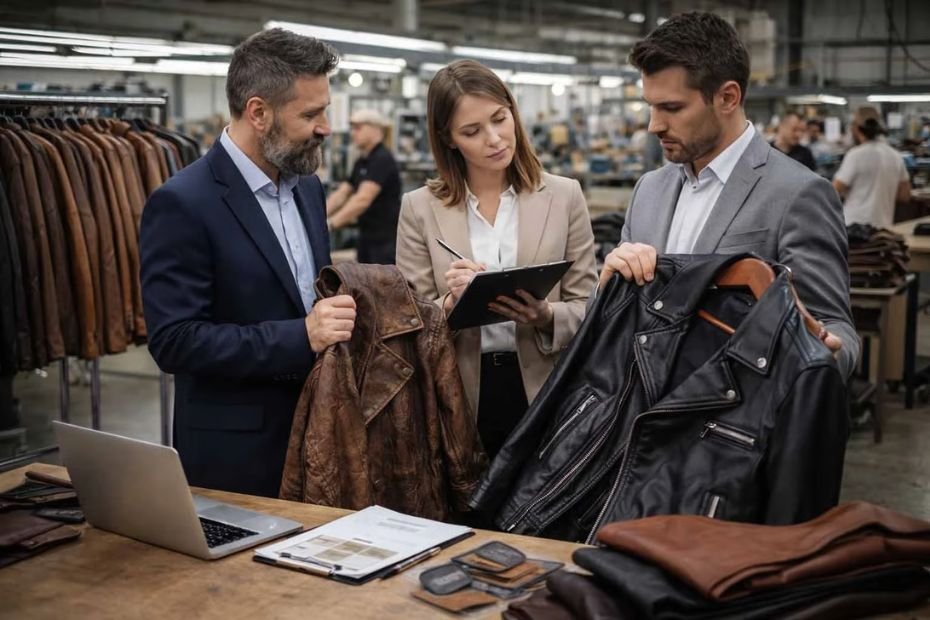

Introduction to Leather Jacket Shopping
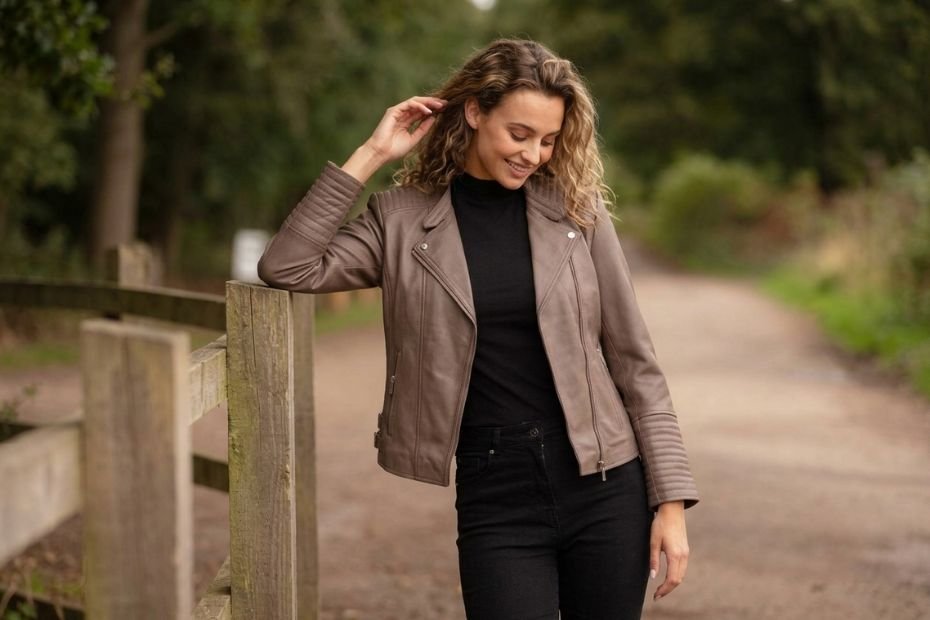
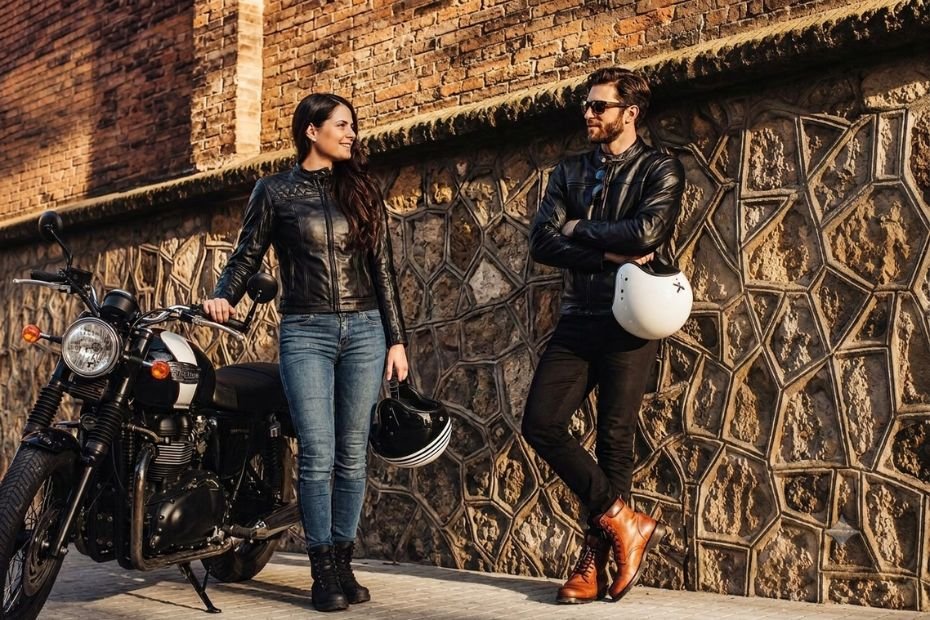
The leather jacket has long been regarded as a quintessential piece of fashion, embodying a unique blend of style, ruggedness, and timeless appeal. From its origins as a functional garment for pilots and motorcyclists to its adoption in mainstream culture through music and film, the allure of leather jackets remains undiminished. In contemporary fashion, these jackets are celebrated not only for their durability but also for their ability to enhance an outfit’s aesthetic. A well-crafted leather jacket can elevate casual attire and add a touch of sophistication, making it a highly coveted item in many wardrobes.
The popularity of leather jackets can be attributed to their versatility. They can be paired with an array of outfits—from jeans and t-shirts to dresses and skirts. This adaptability makes them suitable for various occasions, whether casual or semi-formal. Additionally, the evolving designs and styles available today ensure that there is a leather jacket to meet every individual’s tastes and preferences. As a result, purchasing a leather jacket has become an investment in personal style and, for some, a statement of identity.
However, despite the excitement that surrounds buying a leather jacket, it is essential for consumers to be informed about their choices. Given the price point associated with high-quality leather jackets, making an uninformed decision can lead to buyer’s remorse. It is crucial to consider factors such as leather type, fit, color, and craftsmanship when shopping for a jacket to ensure longevity and satisfaction. By understanding the nuances of leather jacket shopping, individuals can navigate the market wisely and make confident decisions that reflect their personal style.
Understanding Different Leather Types
When searching for the perfect leather jacket, understanding the various types of leather is essential to making an informed decision. Leather quality significantly influences the jacket’s overall look, feel, and durability. Among the commonly used types of leather, full-grain, top-grain, and genuine leather stand out.
Full Grain Leather is the highest quality available, made from the outer layer of animal hide. This type retains all its natural grain and imperfections, resulting in a unique texture that ages beautifully over time. Full-grain leather showcases the innate characteristics of the hide and is known for its durability and breathability. Although often pricier, it represents a long-term investment due to its longevity and classic appeal.
Top-grain leather, while still of high quality, undergoes a process that removes imperfections, making it smoother and more uniform in appearance. This type is more pliable than full-grain leather due to its correction process, but it may not develop the same rich patina with age. As a result, top-grain leather is often favored for those seeking a refined look without sacrificing too much durability.
On the other hand, genuine leather is a term that can be misleading. It refers to lower-quality leather made from leftover pieces or scraps, often undergoing heavy processing and artificial treatments. While genuine leather is more affordable, it lacks the luxurious feel and longevity associated with full and top-grain options. Misconceptions abound concerning leather quality, with many consumers mistaking genuine leather for premium options. Understanding these distinctions will assist buyers in selecting a leather jacket that meets their expectations for style, durability, and overall value.
Focusing on Fit and Style
The fit and style of a leather jacket are crucial factors that can significantly influence your overall appearance and comfort. When selecting a leather jacket, one of the primary considerations should be how well the jacket fits your body shape. Different body types require different styles; a well-fitted jacket enhances your body features, while an ill-fitting one can detract from them. For instance, if an individual has a broad shoulder, opting for a jacket that emphasizes this structure can create a more flattering silhouette.
Sleeve length is another vital aspect to consider. The sleeves of a leather jacket should ideally reach the base of the wrist, allowing for adequate movement while maintaining a sharp look. Sleeves that are too long can make the jacket appear oversized and unkempt, whereas sleeves that are too short can lead to a restrictive feel and compromise comfort.
The overall length of the jacket also plays a role in its aesthetic appeal and functionality. For shorter individuals, a cropped jacket may provide the illusion of added height, while taller wearers may prefer longer styles that complement their frame. Furthermore, the cut and tailoring of the jacket impact its silhouette, with options ranging from fitted styles to more relaxed fits. Understand your preferred personal style—whether it be classic, edgy, or minimalist—and select a leather jacket that resonates with that aesthetic. The balance of fit and your chosen style will greatly enhance the satisfaction of your purchase and the likelihood that the jacket will serve you well for years to come.
Exploring Brand Reputation in Leather Jacket Purchases
When it comes to purchasing a leather jacket, one critical factor often overlooked is the brand’s reputation. Each brand in the market carries its own history, craftsmanship standards, and quality assurances, which can significantly influence the durability and aesthetic of the leather jacket. Renowned brands such as Vogue Jacket have established themselves as reliable sources of quality leather products, thus affirming the importance of brand reputation in the buying process.
A reputable brand typically invests in the necessary research and development to produce high-quality goods. This commitment usually translates to superior materials, exquisite craftsmanship, and ultimately a longer lifespan for the leather jacket as compared to lesser-known brands. Purchasing from a well-known brand can provide consumers with confidence, knowing that the product has met certain industry standards and customer expectations.
Additionally, established brands often have customer feedback readily available, allowing potential buyers to gauge the quality and satisfaction levels from previous customers. This information can be invaluable when assessing the viability of a leather jacket purchase. Brands with a history of quality assurance also tend to offer better customer service and warranties, which are essential factors in ensuring a satisfactory purchase experience.
In contrast, lesser-known brands may not have the same level of accountability or transparency regarding their products. While their prices may be more enticing, the risk of subpar materials and workmanship increases significantly with these brands. Consumers might find themselves struggling with flaws or poor fitting, leading to dissatisfaction over time. Hence, placing importance on the brand’s reputation can prevent potential pitfalls, ensuring a wise investment in a leather jacket that meets quality expectations and serves its purpose effectively.
Overlooking Care Instructions
When purchasing a leather jacket, many buyers often overlook the importance of care instructions and maintenance requirements. This oversight can lead to detrimental consequences for the longevity and appearance of the jacket. Proper care is essential, as leather is a natural material that requires specific treatment to maintain its beauty and durability.
Prior to making a purchase, it is advisable to thoroughly read the care label or inquire about the maintenance guidelines from the seller. Regular cleaning, conditioning, and proper storage techniques will prolong the life of the jacket. For instance, using specialized leather cleaners and conditioners can revitalize the material, preventing it from drying out or cracking over time.
Furthermore, neglecting care instructions can result in irreversible damage. Exposure to water, harsh chemicals, or direct sunlight without proper treatment can lead to discoloration and deterioration. For example, a jacket that is not treated with a water-resistant spray may absorb moisture, leading to stains and possible molding. Similarly, incorrect storage, such as wrapping the jacket in non-breathable plastic, can cause it to lose shape and suffer from mildew.
In conclusion, understanding and adhering to the care instructions when buying a leather jacket is crucial. By integrating these practices into your routine, you can enhance its lifespan and ensure your investment maintains its stylish appearance for years to come. Neglecting this aspect can lead to costly mistakes, detracting from the enjoyment and value of owning a leather jacket.
Not Trying Before Buying
When purchasing a leather jacket, one of the most significant mistakes consumers often make is opting for online purchases without trying the item first. While the convenience of online shopping cannot be denied, it introduces several challenges, particularly regarding the fit of the jacket. Each brand has its unique sizing guidelines and fits, meaning that a size large in one brand may not have the same dimensions as a size large in another. This inconsistency emphasizes the necessity of trying a leather jacket on before finalizing a purchase.
Moreover, the material and cut of a leather jacket greatly influence its fit and comfort level. Leather, being a natural material, tends to stretch and mold to the wearer’s body over time. However, if the initial fit is too loose or too tight, it can create discomfort and limit the jacket’s longevity. Therefore, trying on a jacket allows the buyer to assess how it sits on their shoulders, chest, and sleeves, offering a better understanding of how the jacket will wear over time.
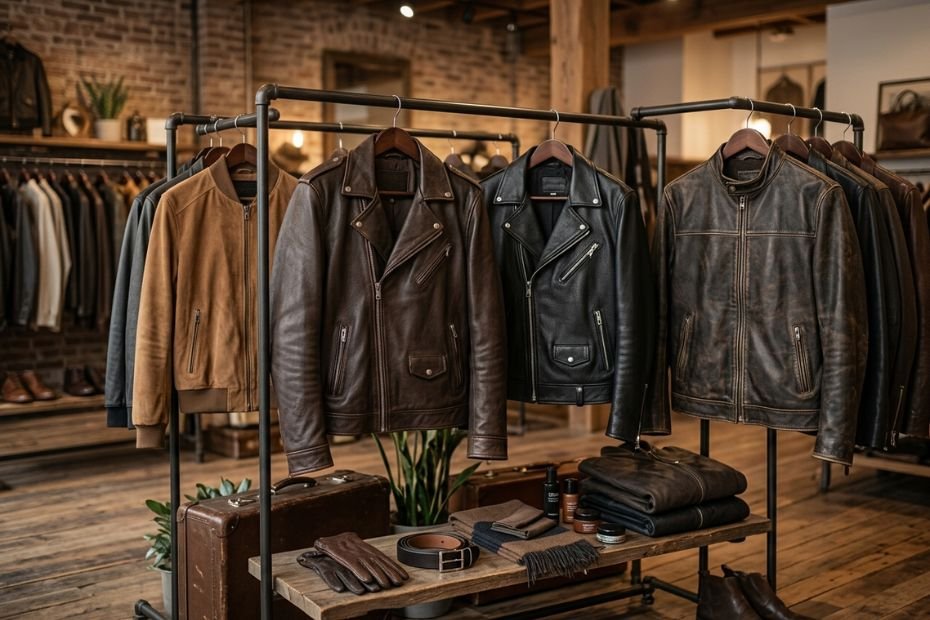
Additionally, different styles of leather jackets—such as bomber jackets, biker jackets, or blazers—can vary significantly in fit. A person may prefer a relaxed fit for casual wear but might require a tailored fit for more formal occasions. Hence, it is essential to explore various styles and sizes in person. For those who do choose to shop online, it is advisable to check return policies rigorously. In the event that the jacket does not fit as anticipated, a seamless return process can reduce potential frustrations. Ultimately, investing time into trying on leather jackets can help avoid the disappointment of an ill-fitting garment.
Understanding Pricing and Value
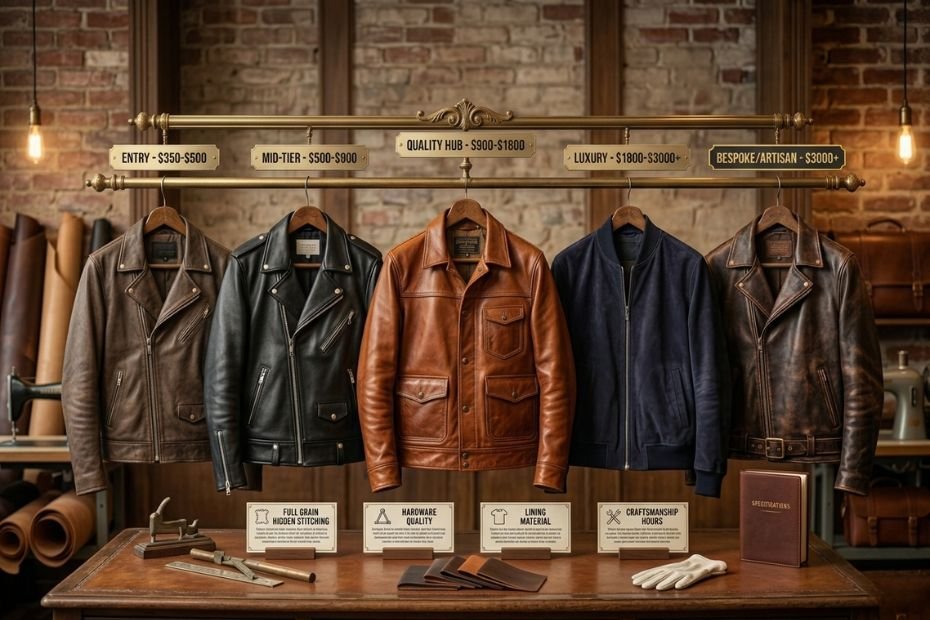
When considering a leather jacket, buyers often encounter a wide spectrum of pricing that reflects the diverse qualities, craftsmanship, and brand prestige. Typically, leather jackets can be categorized into three main price brackets: budget, mid-range, and luxury. Each category has its own characteristics, and understanding these can significantly impact your purchasing decision.
In the budget category, jackets may range from $100 to $300. While these options can provide a stylish appearance, the quality of leather and craftsmanship is often compromised. It is essential to scrutinize the material’s durability, stitching integrity, and overall fit before making a purchase. Low-quality leather jackets can wear out quickly, leading to a poor long-term investment.
Mid-range jackets, priced between $300 and $800, typically offer a better balance between quality and affordability. In this bracket, consumers can find jackets made from more durable leather, featuring improved construction techniques and enhanced comfort. Investing in a mid-range leather jacket often means benefiting from greater longevity and aesthetic appeal without breaking the bank.
On the other hand, luxury leather jackets usually start from $800 and can exceed several thousand dollars. Brands in this category often emphasize exclusivity, heritage, and high-quality materials. However, it’s crucial to approach luxury purchases with discernment. A higher price does not always ensure exceptional quality, and consumers should be wary of overspending purely based on brand prestige.
To assess value effectively, focus on the type of leather used, the quality of craftsmanship, and the brand’s reputation. Genuine leather, while more expensive, tends to offer greater durability compared to synthetic alternatives. Additionally, examining customer reviews and checking warranty options can provide further insight into the jacket’s long-term worth.
Neglecting Practicality and Purpose
When considering the purchase of a leather jacket, many buyers often focus primarily on aesthetics, neglecting crucial practical concerns such as climate, intended use, and versatility. Understanding how each of these factors aligns with the buyer’s lifestyle is essential for making an informed decision.
Firstly, the climate plays a significant role in selecting a suitable leather jacket. Individuals living in regions with extreme temperatures should prioritize jackets that offer insulation and protection against the elements. For example, a heavier, lined leather jacket might be preferred for colder climates, while a lighter, unlined version could suffice for milder conditions. Buyers should assess their local weather conditions to select a jacket that will be functional across various scenarios, avoiding the common mistake of purchasing based only on style.
Next, one must consider the intended use of the leather jacket. Is it meant for casual wear, formal occasions, or specific activities such as motorcycling? These factors dictate not only the style of the jacket but also the type of leather and design features that will best serve the wearer’s needs. For instance, a casual leather bomber jacket differs significantly from a tailored leather blazer intended for business wear. Neglecting to define the primary purpose may lead to frustration when the garment does not fit seamlessly into the wearer’s wardrobe.
Finally, versatility should not be overlooked. A leather jacket should ideally complement a range of outfits and settings. Buyers may want to consider how the jacket will be integrated into their daily attire before making a purchase. Investing in a more versatile style can ultimately provide greater long-term satisfaction and value.
Conclusion: Making a Smart Purchase
In the realm of fashion, a leather jacket stands out as a timeless investment piece that can elevate one’s wardrobe. However, navigating the complexities of a leather jacket purchase requires a keen understanding of various factors to avoid common pitfalls. Throughout this discussion, we have identified several key considerations aimed at helping buyers make informed decisions.
First and foremost, it is essential to prioritize quality over price. While it might be tempting to opt for a cheap alternative, investing in a high-quality leather jacket will pay off in the long run due to its durability and longevity. Genuine leather offers superior comfort and aesthetic appeal compared to synthetic materials. Therefore, checking for reputable brands that are known for their craftsmanship is advisable.
Moreover, understanding fit is crucial. A leather jacket should complement the wearer’s body shape without being too tight or overly loose. It is recommended to try on various sizes and styles, considering how it fits at the shoulders, waist, and sleeves, ensuring that it allows for comfortable movement. Additionally, don’t shy away from consulting size charts or customer reviews when purchasing online.
Another vital aspect is to consider your personal style and the jacket’s versatility. Whether you seek a classic biker style or a more contemporary design, ensure that the choice aligns with your wardrobe and lifestyle. Versatile options can be styled for both casual and formal occasions, maximizing the utility of the purchase.
In conclusion, making a smart purchase when buying a leather jacket hinges on thorough research, consideration of quality, careful evaluation of fit, and alignment with personal style. By keeping these key takeaways in mind, buyers can confidently navigate the market, resulting in a gratifying addition to their fashion collection.