
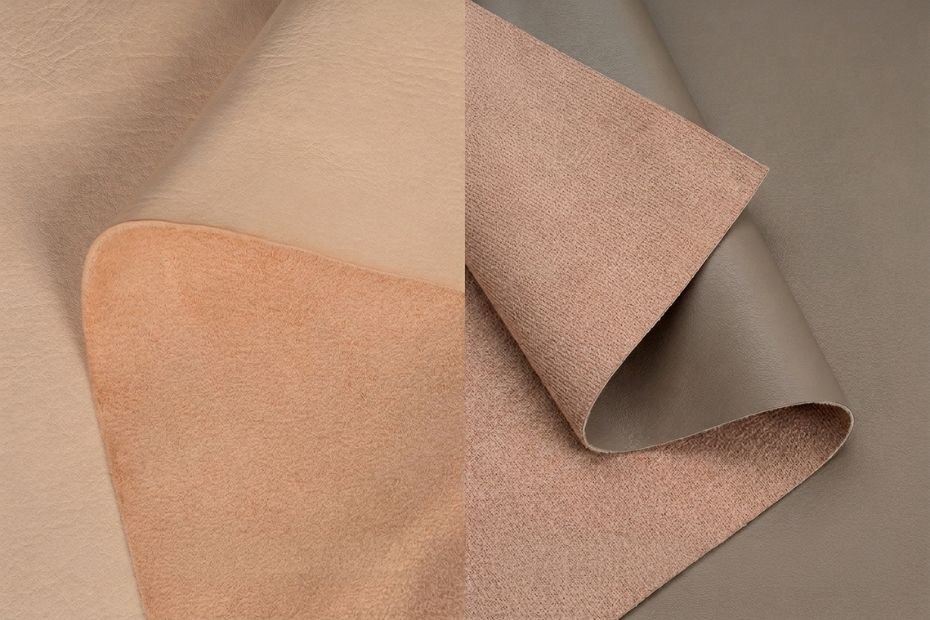

Introduction to Leather Types
Leather has long been a material associated with luxury and durability. In the contemporary market, two primary types of leather compete for consumer attention: genuine leather and synthetic leather. Understanding the differences between these two types is essential for making informed purchasing decisions, especially as both have their own unique attributes and applications.
Genuine leather is made from the hides of animals, most commonly cows, but also goats, sheep, and other species. The process of turning animal hides into durable leather involves several stages, including tanning, curing, and finishing. Tanning is particularly significant as it preserves the material and enhances its natural properties, making it flexible, strong, and resistant to wear. As a result, genuine leather boasts longevity and an authentic aesthetic that many consumers cherish.
On the other hand, synthetic leather, also referred to as faux leather or vegan leather, is manufactured using plastic-based materials such as polyurethane (PU) or polyvinyl chloride (PVC). These materials are designed to mimic the appearance and texture of genuine leather while often being more affordable and easier to maintain. The production of synthetic leather has become increasingly sophisticated, allowing designers to create a range of finishes and effects. Although synthetic leather lacks some of the unique characteristics of genuine leather, such as breathability and aging patina, it can be advantageous for those seeking cruelty-free or budget-friendly options.
This introduction sets the stage for a thorough comparison between genuine leather and synthetic leather, examining their respective benefits and drawbacks. As we delve deeper into this discussion, consumers will gain insights into both materials, enabling them to choose the option that best aligns with their priorities and values.
Durability Comparison
When comparing the durability of genuine leather and synthetic leather, various factors must be considered. Genuine leather, often praised for its robust composition, is made from animal hides that are tanned and processed. This material typically demonstrates remarkable resistance to wear and tear, making it suitable for products that endure significant daily use, such as high-quality bags and footwear. Over time, genuine leather can develop a patina, enhancing its aesthetic appeal and durability as it ages. However, this natural material is still susceptible to scratches and water damage if not properly maintained.
In contrast, synthetic leather, also known as faux leather or vegan leather, is created using a variety of materials, with polyurethane (PU) and polyvinyl chloride (PVC) being the most common. Synthetic leather is designed to mimic the appearance of genuine leather while offering advantages in terms of maintenance due to its resistance to stains and moisture. Many modern synthetic leathers are engineered to withstand tearing and abrasion effectively, thereby extending their lifespan. However, they may not match the longevity of premium genuine leather products, particularly under extensive use.
Environmental factors also play a pivotal role in the durability of both materials. Genuine leather typically holds up well in various climates with proper care, retaining its structural integrity over time. On the other hand, high temperatures and excessive humidity can affect synthetic leather, leading to cracking and peeling if the material quality is substandard. For example, Natural Leather Jackets are often seen as enduring investments, while synthetic leather alternatives may be better suited for seasonal trends.
Ultimately, the choice between genuine leather and synthetic leather regarding durability depends on the intended use, care routine, and personal preference. While genuine leather boasts durability backed by a timeless reputation, synthetic leather provides an appealing blend of low-maintenance characteristics and versatility.
Comfort and Wearability
When comparing genuine leather and synthetic leather, one of the critical factors to consider is the level of comfort that each material provides. Genuine leather is renowned for its natural properties, which allow for breathability and flexibility. This adaptability ensures that genuine leather items conform to the body over time, creating a customized fit that not only enhances comfort but also improves wearability during extended periods. Additionally, leather tends to maintain an optimal temperature, making it less susceptible to overheating in warm conditions.
On the other hand, synthetic leather—often hailed for its cost-effectiveness—may not provide the same level of breathability as its genuine counterpart. While advancements in manufacturing have led to more breathable synthetic options, they generally lag behind genuine leather concerning temperature regulation. Wearers of synthetic leather may experience a buildup of heat and moisture, particularly in environments where prolonged wear is expected.
Flexibility is another area where genuine leather excels. Over time, it becomes more pliable, which allows for ease of movement, making it ideal for customized wear. Synthetic leather, while initially flexible, may lack the same long-term adaptability. As it ages, synthetic materials can become stiffer, leading to discomfort. Furthermore, the feel of genuine leather against the skin is often considered superior, providing a soft, luxurious texture. This tactile quality adds to the overall wearability and satisfaction for those who invest in genuine leather products.
For individuals contemplating whether to choose genuine or synthetic leather, it is essential to weigh these comfort factors. Those who prioritize long-term wear and adaptability may find that genuine leather’s breathing capabilities and texture offer a more pleasant experience, while synthetic leather could serve as a more affordable but potentially less comfortable alternative.
Cost Analysis
When considering the purchase of leather goods, whether genuine or synthetic, cost is often a primary concern for consumers. Genuine leather typically comes at a higher initial purchase price than synthetic leather, primarily due to the craftsmanship and material sourcing involved in its production. For example, a high-quality leather handbag can range from several hundred to thousands of dollars, depending on the brand, treatment, and sourcing of the leather, whereas synthetic versions are often available for significantly lower prices, attracting budget-conscious buyers.
However, the comparison should not be limited to initial expenditures alone. Genuine leather is widely regarded for its durability and longevity. With proper care, genuine leather items can last for decades, making them a worthwhile investment over time. Maintenance costs for genuine leather can include conditioning and occasional repairs, which are essential to maintaining its appearance and functionality. Though these costs can add up, the long-term value can be substantially higher than that of their synthetic counterparts.
On the other hand, while synthetic leather is more affordable initially, it often does not offer the same lifespan or durability. Most synthetic materials tend to wear out faster and may require replacement sooner, leading to increased expenditure over time. Additionally, synthetic leather may require less maintenance, which can be an attractive quality for some consumers. However, the trade-off lies in its propensity to fade, crack, or peel under extensive use, potentially leading to additional costs in replacement.
In conclusion, while genuine leather may require a higher initial investment, its durability and long-term value can justify the expense. Conversely, synthetic leather presents a cost-effective solution upfront but may necessitate more frequent replacements and, consequently, additional expenditures in the long run. Understanding these financial implications is crucial when deciding between genuine leather and synthetic leather products.
Sustainability and Environmental Impact
When comparing genuine leather and synthetic leather, sustainability and environmental impact are crucial factors that merit thorough examination. The production of genuine leather, which involves animal farming, raises significant concerns regarding land use, water consumption, and methane emissions. Raising livestock requires substantial resources, leading to deforestation and habitat loss, particularly in regions where cattle farming is prevalent. Moreover, livestock farming contributes to greenhouse gases, impacting climate change.
Conversely, synthetic leather is usually produced from petroleum-based products through chemical processes. These manufacturing methods often involve harmful chemicals, which pose risks to both human health and local ecosystems. Additionally, synthetic leather contributes to fossil fuel depletion, since its primary raw materials are derived from oil. However, advancements in manufacturing technologies have led to the emergence of more sustainable alternatives, such as plant-based synthetic leathers, which aim to reduce reliance on non-renewable resources.
In terms of recyclability and biodegradability, there are notable differences between the two materials. Genuine leather is biodegradable, which means it can decompose over time without leaving behind harmful microplastics. This natural breakdown process can be seen as an advantage for those seeking environmentally friendly materials. On the other hand, most synthetic leathers, particularly those made from PVC or polyurethane, do not decompose easily and can persist in landfills for hundreds of years, posing severe environmental threats.
Some initiatives strive to enhance recycling opportunities for synthetic leather, yet widespread solutions are still lacking. In summary, while genuine leather presents environmental challenges associated with animal agriculture, synthetic leather’s production and disposal processes also raise significant sustainability concerns. Choosing between the two requires careful consideration of these complex factors.
Appearance and Style Differences
When considering the aesthetic qualities of genuine leather and synthetic leather, several factors come into play, including visual appeal, texture, and the capacity for design variations. The appearance of genuine leather is often characterized by its rich texture, natural imperfections, and unique markings. These qualities contribute to its luxurious and timeless look, allowing each item made from genuine leather to tell a unique story, which appeals to many buyers seeking authenticity and individuality.
In contrast, synthetic leather, often referred to as faux leather or vegan leather, is designed to mimic the appearance of genuine leather without using animal products. This category includes a variety of materials, such as polyurethane (PU) and polyvinyl chloride (PVC). While synthetic leather can achieve a polished and sleek look, it may lack the depth and character inherent in genuine leather. However, advancements in technology have enabled synthetic leather to closely resemble the texture and sheen of its genuine counterpart, making it an appealing option for those who prefer a cruelty-free lifestyle.
The stylistic versatility between the two materials also plays a significant role in buyer preferences. Genuine leather is generally favored in high-end fashion due to its durability and ability to develop a patina over time, enhancing its aesthetic value. On the other hand, synthetic leather offers a broader spectrum of colors and patterns, appealing to consumers who are drawn to specific fashion trends or styles that may not be traditionally available in genuine leather. Additionally, the ease of maintenance for synthetic leather can be a deciding factor for those seeking both form and functionality.
In conclusion, both genuine and synthetic leather offer unique appearances and styles. Understanding these differences can help consumers make informed choices based on their aesthetic preferences and values.
Maintenance and Care
Maintaining the quality of your leather products is critical for enhancing their longevity and appearance. When comparing genuine leather to synthetic leather, it is essential to understand the different maintenance requirements of each material.
Genuine leather, while durable, is more susceptible to water damage and stains. It is advisable to clean genuine leather products with a damp cloth to remove dirt on a regular basis. For deeper cleaning, a mixture of mild soap and water can be effective; however, it is crucial to dry the leather thoroughly afterward to prevent any unwanted moisture damage. Additionally, conditioning genuine leather with a dedicated leather conditioner every six months can help maintain its suppleness and can prevent cracking.
On the other hand, synthetic leather requires significantly less maintenance due to its water-resistant properties. Cleaning synthetic leather can often be accomplished with just a soft cloth and water, as it does not absorb stains as deeply as genuine leather. For more stubborn stains, a mild detergent can be used without worrying about damage. Unlike genuine leather, synthetic alternatives do not require conditioning, as they do not dry out or become brittle. This aspect makes synthetic leather a low-maintenance option for users.
While both types of leather can last a substantial time when properly cared for, the effort involved in maintaining genuine leather is more demanding. This is largely due to its natural composition and tendency to retain moisture and dirt. Conversely, synthetic leather’s resilience against wear and tear allows for a more straightforward cleaning routine, which appeals to many consumers looking for practicality in their fashion choices.
Common Uses for Genuine and Synthetic Leather
Genuine leather, known for its durability and luxurious feel, is often utilized in a variety of applications. Primarily, it is widely sought after for clothing items such as jackets, pants, and skirts. The natural properties of genuine leather not only enhance the aesthetic appeal but also lend lasting functionality, making these garments style staples for many consumers. Additionally, genuine leather accessories such as bags, wallets, and belts are popular choices for those seeking high-quality products that showcase craftsmanship and authenticity.
In the domain of upholstery, genuine leather is favored for luxury furnishings due to its ability to endure wear while maintaining a sophisticated look. Leather upholstery is commonly found in high-end vehicles, providing both comfort and an enhanced visual experience. Furthermore, it is used in home furniture, such as sofas and chairs, offering a timeless appeal that transcends trends.
Conversely, synthetic leather, often referred to as faux leather or vegan leather, has become increasingly popular due to its affordability and environmentally friendly properties. It is commonly used in a variety of clothing applications as well; for instance, fashion-forward brands frequently utilize synthetic leather for jackets and skirts, appealing to a demographic that prioritizes ethical fashion choices. Furthermore, accessibility has made it a go-to option for accessories and small items, ensuring that everyone can enjoy the modern chic appearance without the associated costs of genuine leather.
When it comes to specialty uses, synthetic leather is widely adopted in the sports industry, particularly for athletic shoes, where its lightweight and moisture-resistant characteristics prove advantageous. Furthermore, it is also utilized in the manufacturing of protective gear and equipment due to its resilience and ease of maintenance.
Ultimately, the choice between genuine and synthetic leather largely depends on personal preference, desired application, and budget considerations. Each type of leather brings its own set of advantages, catering to different needs across diverse sectors.
Conclusion: Making an Informed Decision
In the debate between genuine leather and synthetic leather, it is essential to understand the distinct characteristics that define each material. Genuine leather, made from animal hides, is often praised for its durability, unique texture, and timeless appeal. Its natural origin provides a level of authenticity that many consumers find appealing. However, it is important to consider factors such as cost, maintenance, and ethical concerns associated with its production.
On the other hand, synthetic leather, crafted from various artificial materials, presents a viable alternative with several advantages. It is typically more affordable than its genuine counterpart and comes in a wider range of colors and styles. Additionally, synthetic leather is often seen as more environmentally friendly, as it can be produced without the use of animal products and may involve less resource-intensive processes. However, it may not offer the same longevity or aging character that genuine leather provides.
When making a purchasing decision, consumers should weigh their priorities and preferences. For those valuing sustainability and lower costs, synthetic leather might be the better choice. Conversely, individuals seeking luxury, durability, and a classic look may prefer Genuine Leather products. Ultimately, the decision between genuine and synthetic leather is personal and should align with one’s lifestyle choices, ethical considerations, and budget constraints. By assessing the strengths and weaknesses of each option, consumers can make informed decisions that best suit their needs.