
Understanding Body Types
When it comes to selecting the perfect Leather Jacket, understanding your body type is paramount. Body shapes can broadly be classified into categories such as hourglass, pear, apple, rectangle, and triangle. Each shape has its unique characteristics that influence the fit and style of a jacket. By determining your body type, you can make choices that not only enhance your appearance but also maintain comfort and functionality.
For individuals with an hourglass figure, which is characterized by a well-defined waist, fitted leather jackets with a cinched waistline tend to be flattering. These jackets accentuate the curves and create a balanced silhouette. On the other hand, those with a pear shape, featuring wider hips and narrower shoulders, may benefit from jackets that are more structured at the shoulders. Look for designs that add bulk to the upper body, helping to create a proportional look.
Individuals who possess an apple body type typically have broader shoulders and a fuller midsection. In this case, opting for jackets that have an A-line silhouette or a straight cut can be advantageous. This style draws attention away from the midsection and provides a more streamlined appearance. Conversely, rectangle body types, which feature balanced bust and hip measurements, can experiment with various styles, including fitted and cropped jackets that create depth and dimension.
Lastly, triangles, or inverted triangle body types, boast broader shoulders with a narrower waist. Leather Jackets that taper at the waist or feature asymmetrical designs create a harmonious look by drawing attention toward the center and away from the shoulders. Understanding your body type and selecting a leather jacket that complements your proportions will not only elevate your wardrobe but also enhance your overall confidence.
Finding the Right Fit
One of the most crucial aspects of selecting a leather jacket is ensuring the right fit. A well-fitting jacket not only enhances the overall aesthetic but also provides comfort and ease of movement. Leather jackets are typically available in three primary fits: slim, regular, and relaxed. Each fit caters to different body types and styling preferences. A slim fit offers a more tailored silhouette, ideal for those who prefer a modern, streamlined look. In contrast, the regular fit provides a balanced, classic shape that accommodates various body types without being overly form-fitting. The relaxed fit is designed for maximum comfort, allowing for more room in the shoulders and chest, making it perfect for layering over thicker clothing.
To determine the appropriate size, accurate measurements are essential. Start by measuring your chest, waist, and shoulders. Use a measuring tape to ensure precision, and consult the sizing chart provided by the jacket manufacturer. Knowing your measurements helps you pinpoint the correct size and can aid in deciding between fits, especially if you are in between sizes. Additionally, consider the intended use of the jacket. If you plan to wear a thick sweater underneath, you may want to opt for a larger size or a relaxed fit.
During the fitting process, pay attention to essential areas: the shoulders should align comfortably without restriction, sleeves must be long enough to cover the wrists without being overly baggy, and the jacket’s closure should not pull or create excess tightness across the chest. Movement is key; raise your arms and twist your body to ensure the jacket allows for full mobility. A well-fitted leather jacket should feel snug but not constrictive. By taking these considerations into account, you can confidently find a leather jacket that fits well, looks great, and complements your personal style.
Quality of Leather Materials
When selecting a leather jacket, understanding the quality of the leather is paramount. The type of leather and its corresponding characteristics significantly influence not only the appearance but also the longevity of the jacket. Three main types of leather are commonly used in the production of jackets: full-grain, top-grain, and corrected grain.
Full-grain leather is regarded as the highest quality among the three. It retains the entire grain layer, which means it has not been sanded or altered to remove imperfections. As a result, full-grain leather develops a rich patina over time, showcasing its unique marks and textures. This type of leather is both durable and breathable, making it ideal for a jacket that withstands the test of time.
Top-grain leather, while still high quality, undergoes some processing where the outer layer is sanded and polished. This process enhances its appearance by creating a more uniform texture. Consequently, top-grain leather may not develop the same patina as full-grain leather, but it is less susceptible to staining and easier to maintain, making it a popular choice for both style and practicality.
Corrected grain leather is made from lower-quality hides that have been sanded and treated to remove blemishes. Although this type may appear smooth and attractive upon first glance, it lacks the durability and character of full or top-grain leather. Over time, corrected grain leather may show wear more readily, diminishing its aesthetic appeal.
To assess leather quality, examine its texture closely. High-quality leather should feel supple and soft, but also firm. Inspecting the edges can also provide insight; raw cut edges typically indicate better quality. Overall, choosing a jacket made from full-grain or top-grain leather can enhance your experience, ensuring that your investment is both functional and stylish.
Exploring Jacket Styles
Leather jackets are timeless pieces that serve not only as fashion statements but also as functional outerwear. With a variety of styles available, each jacket type caters to different aesthetics and lifestyle needs. Understanding the primary styles can significantly aid in selecting the perfect leather jacket.
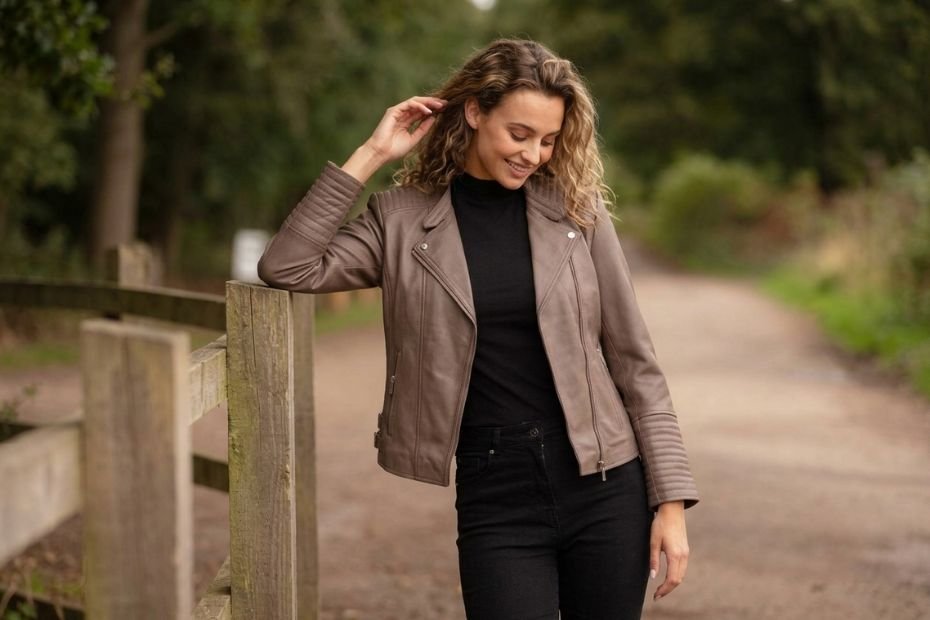
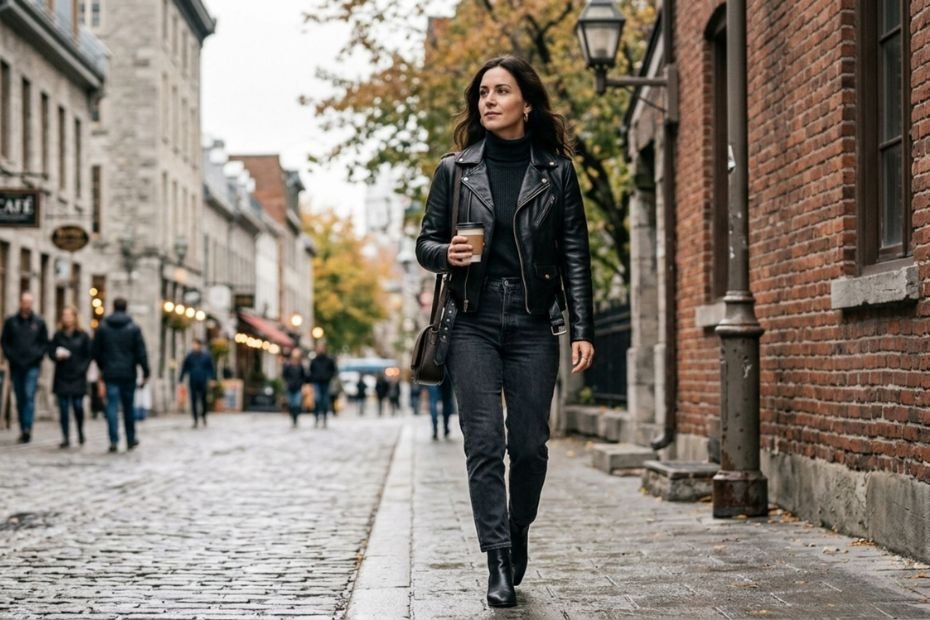
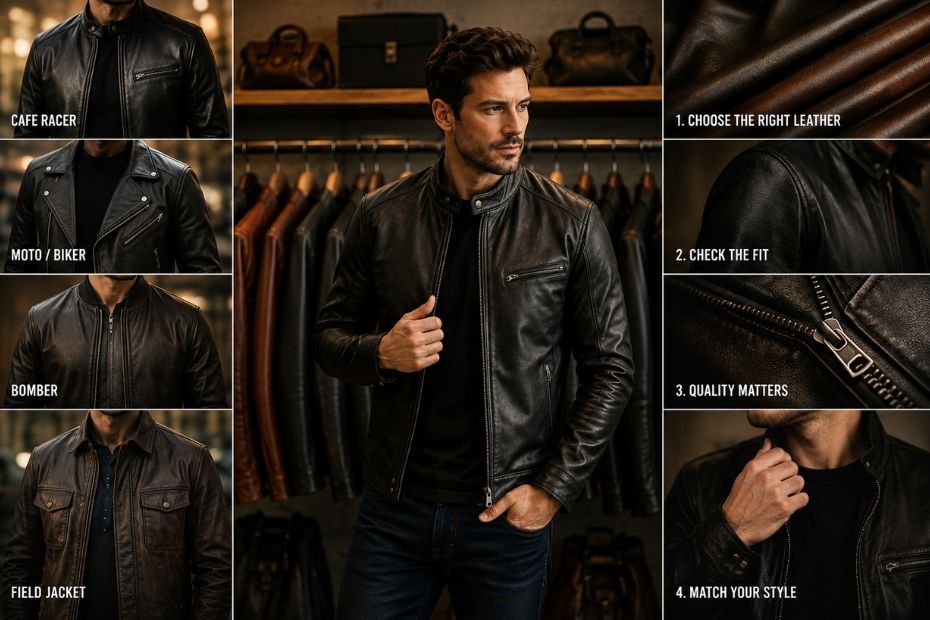
One of the most iconic styles is the Biker Jacket, characterized by its asymmetrical zip, wide lapels, and often studded details. This design is synonymous with rebellion and is frequently associated with motorcycle culture. Biker jackets are usually made from thicker leather, providing both durability and a fashionable edge, making them suitable for casual outings and urban environments.
Another popular style is the Bomber Jacket. This versatile piece features a more relaxed fit and cuffed sleeves, often created from supple leather that offers a refined yet sporty look. Bombers can be worn casually or dressed up for semi-formal occasions, making them ideal for a variety of social settings. Their comfortable nature appeals to those who seek a blend of style and practicality.
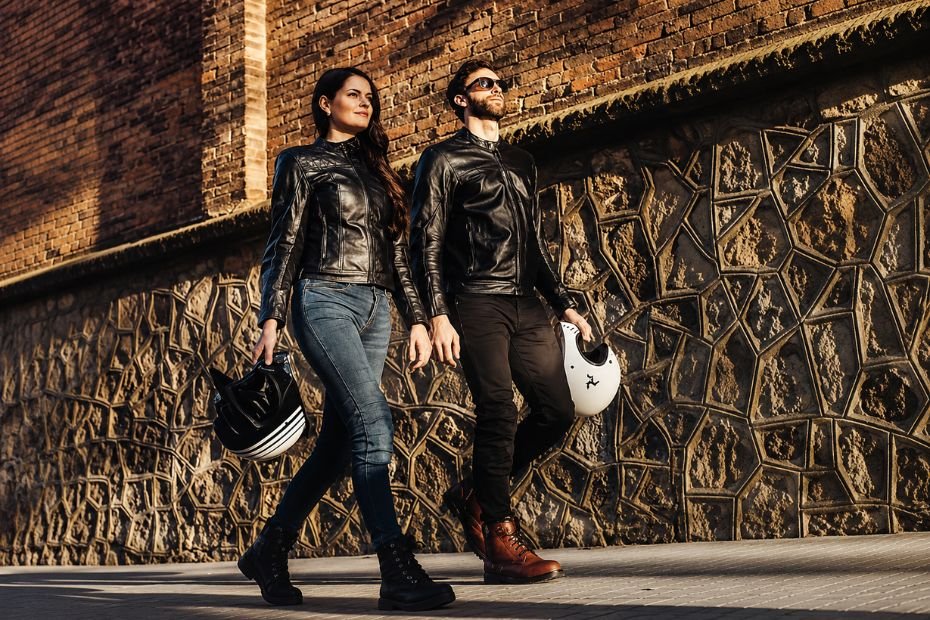
Cafe racer jackets offer a slimmer fit and a minimalist design, with a focus on sleekness and simplicity. Often equipped with a high collar and zip detailing, cafe racers are designed for the rider who values both style and aerodynamics. This jacket style is particularly favored by individuals who appreciate a retro aesthetic and is well-suited for casual rides or outings.
When considering which leather jacket style to choose, it is essential to reflect on both personal preference and lifestyle. Whether one is drawn to the rugged charm of a Biker Jacket, the casual elegance of a bomber, or the streamlined appeal of a cafe racer, there is a leather jacket that can enhance any wardrobe.
Color Selection for Leather Jackets
When it comes to choosing a leather jacket, color selection plays a pivotal role in both aesthetics and versatility. The color of a leather jacket can dramatically affect its ability to be paired with various outfits, ultimately influencing the wearer’s overall style. Classic colors such as black, brown, and navy are timeless choices that lend themselves to a wide range of looks. These shades tend to exude a sense of sophistication and can effortlessly transition from casual to formal settings.
On the contrary, trending colors like deep burgundy, forest green, or even muted pastels can add a unique flair, making a bold fashion statement. However, these shades may be less versatile, suitable primarily for the fashion-forward individual or for specific occasions. For those looking to make a lasting investment, opting for classic tones is often recommended, as these pieces can endure the fluctuations of fashion trends.
Pairing colors effectively also requires consideration of the entire outfit. For a cohesive look, neutral colors can effectively be paired with bright or patterned clothing, whereas more pronounced colors might require careful coordination. Accessories, such as scarves, belts, or shoes, can either complement or contrast the leather jacket’s hue for a complete ensemble.
Additionally, choosing the right color goes beyond fashion; it also involves understanding the wearer’s skin tone. Warm undertones typically harmonize well with earthy, vibrant colors, while cool undertones may best suit cooler, jewel tones. Identifying one’s skin tone can significantly aid in selecting a leather jacket shade that enhances the individual’s features and complements their personal style.
Seasonal Considerations
When selecting the perfect leather jacket, it is essential to consider seasonal variations that can significantly influence your choice. Different materials and styles may suit various weather conditions, thereby ensuring comfort and functionality throughout the year.
During the warmer months, lightweight leather jackets made from thin, breathable materials such as lambskin are highly recommended. These types allow for ventilation, making them ideal for summer evenings or mild spring days. Options like cropped styles and unlined jackets not only provide a fashionable touch but also prevent overheating. Furthermore, colors such as pastel shades or classic beige can complement lighter summer outfits, making them a versatile addition to your wardrobe.
As temperatures begin to drop in the fall and winter, opting for heavier, more insulated leather jackets becomes necessary. Full-grain leather is preferred for these conditions due to its durability and ability to offer protection against wind and cold. Thicker linings made of materials such as shearling or quilted fabric provide additional warmth, making these jackets suitable for chilly weather. Styles such as motorcycle jackets or longer trench coats can be beneficial, as they cover more of the body while also serving as a stylish statement piece.
Thus, understanding seasonal changes and their impact on your leather jacket choices is vital. By considering factors such as material weight, lining, and design, you can select a jacket that not only looks great but also performs well in varying weather conditions. This strategic approach ensures that your leather jacket remains a staple piece in your wardrobe throughout the year.
Aligning with Personal Fashion Preferences
Choosing the right leather jacket requires consideration of personal fashion preferences, which play a pivotal role in finding a style that aligns with one’s unique aesthetic. First, it is essential to identify your fashion style. Fashion aesthetics can generally be categorized into several groups: classic, edgy, sporty, and casual, among others. Understanding where one fits within these categories can significantly streamline the jacket selection process.
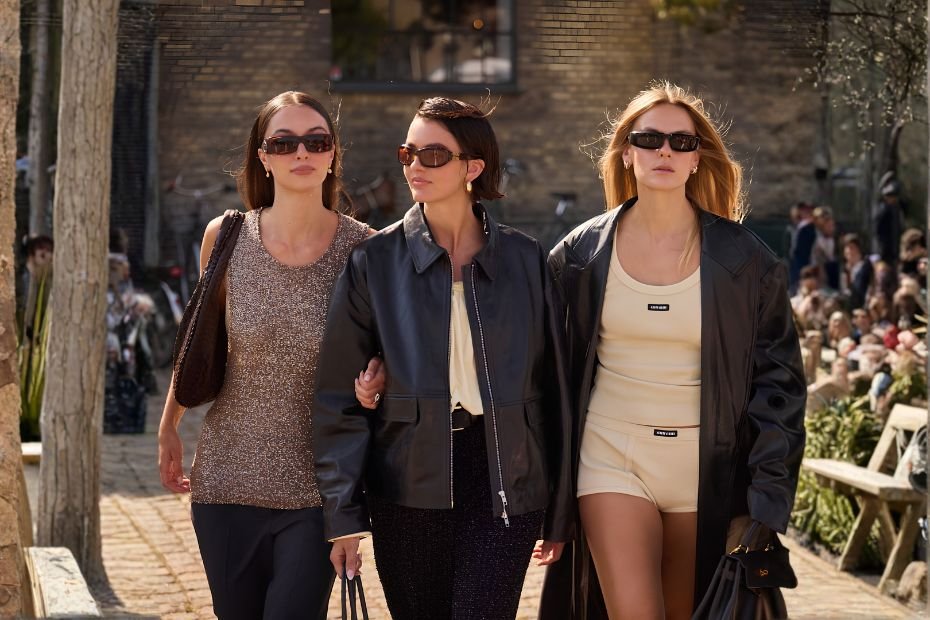
Individuals with a classic style might gravitate towards timeless pieces characterized by clean lines and neutral colors. A structured leather jacket in classic black or brown often complements tailored trousers and crisp shirts, enhancing a sophisticated look. On the other hand, those leaning toward an edgy style may find themselves drawn to jackets with unique detailing, such as studs, asymmetrical zippers, or bold colors. These elements can elevate outfits that include distressed jeans and graphic tees, making a strong statement.
For sporty fashion enthusiasts, a leather jacket that incorporates a more relaxed silhouette and comfortable fabric can enhance their casual yet polished ensembles. Look for options that integrate features like bomber designs or oversized fits, as these can pair nicely with joggers or sleek sneakers. Additionally, it’s vital to consider fit and flexibility in your chosen jacket; this ensures comfort while maintaining your fashion statement.
Finally, incorporating personal expression is crucial. Customizing or selecting jackets that feature unique elements—such as patches, embroidered details, or personalized colors—can transform a standard leather jacket into a piece that genuinely reflects one’s personality. Thus, aligning your leather jacket choice with your personal fashion preferences fosters not only style but also confidence in one’s appearance.
Expert Recommendations for Long-Term Use
Maintaining a leather jacket is crucial for ensuring its longevity and preserving its distinctive characteristics. The care of leather requires specific attention to detail, as it is a natural material that can be susceptible to environmental factors.
Initially, it is advisable to clean your leather jacket regularly, but not excessively. Use a soft cloth to gently wipe away dirt and dust. For deeper cleans, a specialized leather cleaner is recommended. Be sure to test any cleaner on a small, inconspicuous area first to avoid discoloration. In cases where stains appear, addressing them promptly with proper products can prevent permanent damage.
Storage is another integral aspect of jacket maintenance. When not in use, ensure that your leather jacket is stored in a cool, dry place away from direct sunlight, which can fade its color. Utilizing a padded hanger is beneficial to maintain the shape of the shoulders. Furthermore, avoid tightly packed clothes in the closet to allow the leather to breathe, which prevents moisture build-up that can lead to mildew.
Additionally, leather jackets can benefit from occasional conditioning. Using a leather conditioner helps to restore moisture and suppleness, preventing cracks and dry patches. It is recommended to apply conditioner every 6-12 months, depending on the climate and frequency of use.
For minor repairs, it is advisable to consult professional leather repair services. This may include stitching, zipper repair, or addressing scuffs and scratches. Tackling these issues early ensures that they do not become larger problems, ultimately extending the jacket’s lifespan.
By following these expert recommendations, you can ensure that your leather jacket remains a stylish and durable companion for years to come.
Leather Jacket Shopping FAQ
Purchasing a leather jacket can be a thrilling yet daunting experience due to the variety of styles, materials, and manufacturers available. This section addresses common questions to assist you in making an informed choice.
What size leather jacket should I buy? When determining the right size, refer to the specific sizing charts provided by brands, as they can vary. It is advisable to measure your chest, waist, and arm length. Additionally, consider the style; for a fitted look, you might choose one size smaller, while a looser style may permit a larger size.
Can I return or exchange my leather jacket? Many retailers offer return or exchange policies, but it’s crucial to read the terms before making a purchase. Look for brands that allow returns within a specific time frame and ensure that the jacket is unworn and in its original packaging. Keep in mind that some custom-made jackets might not be eligible for return.
How do I care for my leather jacket? Proper maintenance is essential for extending the lifespan of your leather jacket. Store it in a cool, dry place, away from direct sunlight. Regularly clean the jacket with a damp cloth and consider using a leather conditioner to maintain suppleness. For stains, consult a professional cleaner experienced in leather care.
Is genuine leather better than synthetic leather? Genuine leather tends to offer durability, breathability, and a unique character over time, adapting to the wearer’s form. In contrast, synthetic leather can be a more affordable and animal-friendly alternative, but it may not provide the same longevity or comfort. Evaluate your preferences and needs when choosing between the two.
By addressing these FAQs, shoppers can better navigate their leather jacket purchase and ensure that their chosen jacket meets their expectations for style, fit, and maintenance.