

Introduction to Leather Types
Leather is a material that has been used for centuries in various applications, ranging from clothing to upholstery. The two primary types of leather are real leather, often referred to as genuine leather, and faux leather, also known as synthetic leather. Understanding the distinction between these two types is essential for consumers who are seeking to make informed purchasing decisions.
Real leather is derived from animal hides, typically from cows, goats, or sheep, and is characterized by its durability, breathability, and natural appeal. It undergoes a tanning process, which helps preserve the hide and make it suitable for various uses. Because of its organic origin, Real Leather often boasts unique textures and imperfections, which many consumers find appealing.
On the other hand, faux leather is made from synthetic materials such as polyurethane or polyvinyl chloride (PVC). It is designed to replicate the appearance and feel of genuine leather while being more affordable and often easier to maintain. Faux leather products are increasingly popular due to their ethical appeal, as they do not involve animal products. They can also provide a more consistent look compared to real leather, which may attract certain consumers.
The relevance of comparing real leather and faux leather extends beyond aesthetics; it encompasses considerations of cost, durability, sustainability, and ethical implications. As more consumers lean towards responsible purchasing choices, understanding the disparities between leather types allows for a more conscious decision-making process. In today’s market, where consumers are presented with both luxurious and cost-effective options, it is crucial to delve deeper into these two categories to discern which aligns best with individual values and needs.
Appearance and Aesthetic Differences
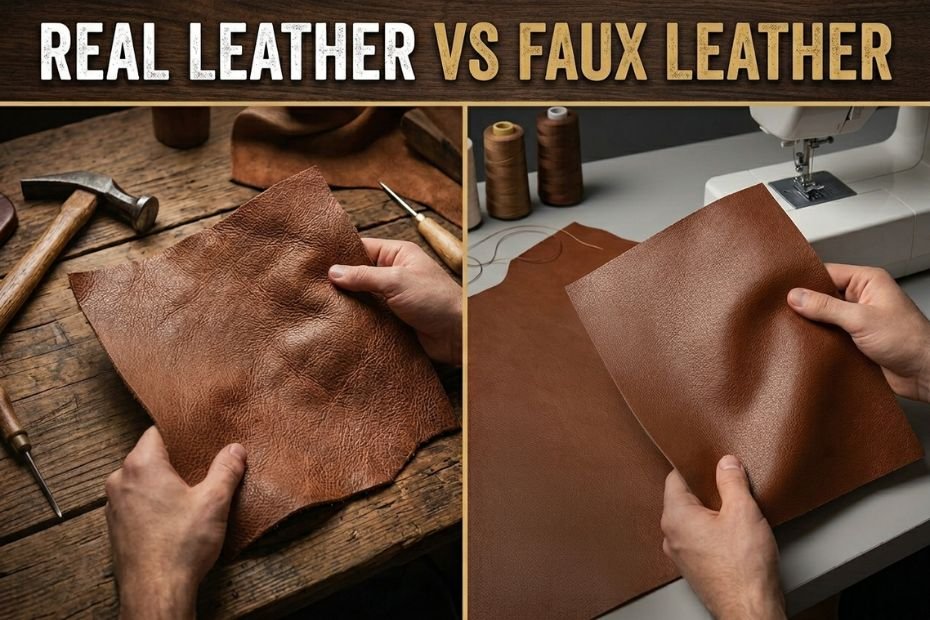
The visual characteristics of real leather and faux leather significantly influence their appeal to consumers, often swaying personal preferences and choices. Real Leather, made from the hide of animals, presents a natural appearance that is unique to each piece. It showcases natural imperfections, such as grain variations and scars, which contribute to its authenticity. Over time, real leather develops a desirable patina, enhancing its character and aesthetic value. The texture of real leather is typically rich and luxurious, with a softness that can only be achieved through natural materials.
In contrast, faux leather, crafted from synthetic materials like polyurethane or polyvinyl chloride, offers a uniform and consistent look. While advancements in technology have led to improved replicas, faux leather lacks the depth and richness of its natural counterpart. It often appears shinier and has a smoother texture, which may not appeal to those who appreciate the tactile qualities of genuine leather. Color variations in faux leather are typically more uniform and relevant to fashion trends, allowing for an expansive range of hues that may not be as readily available in real leather.
When considering the overall look, both materials provide distinct aesthetic advantages and disadvantages. Real leather can lend an air of sophistication and elegance, making it a preferred choice for high-end fashion items and luxury accessories. Conversely, faux leather can provide an ethical and affordable alternative, with styles suitable for casual wear or those seeking bold colors and patterns. Ultimately, the decision between real leather and faux leather hinges on individual style preferences, ethical considerations, and budget. Each material holds its own unique qualities in terms of appearance and aesthetics, catering to diverse consumer needs and tastes.
Durability and Longevity
When comparing real leather and faux leather, durability and longevity are paramount considerations for consumers looking to make a wise investment. Real leather, derived from animal hides, is known for its exceptional strength and resilience. It generally withstands wear and tear better than its synthetic counterparts. Over time, real leather develops a unique patina that enhances its aesthetic appeal while also providing a tough surface that protects against damage.
In contrast, faux leather, often made from synthetic materials like polyurethane or PVC, tends to have a shorter lifespan. While it may resist stains initially and is less susceptible to fading from UV exposure, it is more prone to visible wear and tear as it ages. Faux leather can crack or peel over time, particularly in environments subject to frequent bending or twisting, which significantly impacts its overall durability.
The performance of these two materials can vary greatly depending on their intended use. For instance, a leather sofa or jacket will often exhibit longevity due to the robust nature of real leather, especially when treated with proper care products, such as conditioners and cleaners tailored for leather. Conversely, faux leather items, such as less expensive handbags or furniture, may be suitable for temporary use but often require replacement sooner than their real leather counterparts.
Additionally, factors like environmental conditions play a crucial role in the lifespan of both materials. Humid environments can accelerate the degradation of faux leather, while real leather can adapt and withstand such conditions better, offering superior breathability. Overall, while faux leather may present an appealing initial cost advantage, the durability and longevity of real leather may provide better value over time, particularly in high-use scenarios.
Comfort and Wearability
When it comes to choosing between real leather and faux leather, comfort and wearability are two critical aspects that consumers often consider. Each material possesses distinct properties that can significantly impact the overall experience of the wearer. Real leather is known for its exceptional breathability, allowing air to circulate around the skin, which can be particularly beneficial in warmer conditions. This characteristic not only promotes comfort but also helps in regulating temperature, reducing the likelihood of perspiration and associated discomfort.
On the other hand, faux leather, typically made from synthetic materials, can lack this level of breathability. Many users report that faux leather tends to trap heat and moisture, which can lead to discomfort during extended wear. However, advances in technology have produced some high-quality faux leathers that aim to mimic the breathability of real leather, leading to a spectrum of user experiences. Individuals often express mixed feelings about wearability, with some appreciating the initial softness of faux leather while others find it less adaptable over time.
Flexibility is another factor where real leather shines. It molds to the shape of the wearer’s body over time, offering a tailored fit that can enhance comfort. This adaptability is often cited by users as a notable advantage, providing a unique blend of support and ease that is hard to replicate in faux leather. Users frequently note the luxurious feel and the way it improves with age, adding to its charm as a comfort choice.
Conversely, faux leather, while it may begin with a softer texture, often stiffens with wear. Satisfaction can vary drastically based on the quality of the synthetic material. Overall, individual preferences play a significant role in the choice between these two materials, especially when considering the subjective nature of comfort and the unique experiences of users.
Maintenance and Care Requirements
Maintaining leather goods, whether real or faux, is crucial for preserving their appearance and longevity. Each type of leather has unique care requirements that impact their durability and visual appeal.
Real leather is a natural material that requires more cautious handling. To clean real leather products, use a soft cloth or sponge lightly dampened with water. For deeper cleaning, a leather cleaner specifically formulated for genuine leather should be utilized. It is essential to follow up with a leather conditioner to maintain its suppleness and prevent cracking. When cleaning, avoid abrasive materials and harsh chemicals, as they can cause irreparable damage.
Faux leather, on the other hand, is easier to maintain. Regular dusting with a soft cloth is generally sufficient. For tougher stains, a mild soap solution can be applied with a cloth, then wiped away with clean water. Unlike real leather, faux leather does not require conditioning; however, it should be treated with care to avoid scratches, which can mar its appearance. Additionally, faux leather is often less responsive to environmental changes, making it a more resilient option in certain scenarios.
Both types of leather can suffer from neglect. Lack of proper care may lead to dryness or cracks in real leather, while faux leather can become discolored or damaged when exposed to excessive heat or direct sunlight. To prolong the lifespan of your leather goods, store them in a cool, dry place and use dust bags or covers to protect them from dust and scratches.
Ultimately, investing time in the upkeep of both real leather and faux leather ensures these items remain attractive and functional over time. Understanding the specific care requirements is essential for anyone looking to keep their leather products in optimal condition.
Cost Comparison
When considering the purchase of leather goods, one of the most significant factors consumers take into account is the cost. The price difference between real leather and faux leather is notably marked, influenced by several key factors that impact each material’s production and market value.
Real leather, derived from animal hides, is typically more expensive due to the rigorous tanning and finishing processes involved, which require skilled labor and substantial time investment. Additionally, the quality and source of the leather greatly affect its price; premium leathers, sourced from high-end suppliers, often command much higher prices. Furthermore, real leather goods tend to have a longer lifespan, which may justify the initial investment for some consumers.
In contrast, faux leather, also known as synthetic leather, is generally more budget-friendly. Its manufacturing process involves polymers and other synthetic materials, allowing for mass production that significantly lowers costs. While faux leather can mimic the look and feel of real leather, it is important to note that its durability often does not match that of its genuine counterpart. As a result, faux leather products may need to be replaced more frequently, which could raise long-term costs for consumers.
Another aspect to consider is the market demand and trends influencing prices. When sustainability and ethical considerations become a priority for many consumers, real leather may experience rising costs due to increased demand for responsibly sourced materials. Conversely, advances in technology behind faux leather production may reduce prices over time.
Ultimately, the choice between real leather and faux leather will depend on individual budgetary constraints, values regarding sustainability, and desired product longevity. Economic considerations, therefore, play a crucial role in shaping consumer decisions in the leather market.
Sustainability Considerations
The discussion surrounding sustainability in the leather industry is crucial, particularly when comparing real leather and faux leather. Each type presents unique environmental implications that merit consideration. Real leather, sourced from animal hides, often requires significant resources in terms of land, water, and feed. The process of raising livestock not only contributes to greenhouse gas emissions but also incurs a carbon footprint due to deforestation and land degradation.
Furthermore, the tanning process involved in transforming raw hides into leather utilizes various chemicals which can pose environmental risks if not managed properly. By contrast, faux leather, typically made from synthetic materials like polyvinyl chloride (PVC) or polyurethane (PU), presents its own environmental challenges. The production of these plastics is energy-intensive and relies heavily on fossil fuels, which contributes to carbon emissions and pollution.
When examining biodegradability, real leather boasts an advantage due to its organic origins, allowing it to decompose naturally over time. However, the processing of leather often involves the application of chemicals and dyes, which can hinder this process and result in negative environmental impacts. Faux leather, on the other hand, is generally non-biodegradable, taking hundreds of years to break down, thereby raising concerns about landfill accumulation.
Ethically, the choice between real leather and faux leather often hinges on personal values regarding animal welfare versus environmental sustainability. While real leather involves using animal products, faux leather appeals to those seeking cruelty-free alternatives. Nonetheless, consumers should weigh these preferences against each type’s broader environmental consequences. Ultimately, the best choice hinges not only on individual ethical considerations but also on the ecological impacts each material imposes on our planet.
Long-Term Value Analysis
The long-term value of leather products, whether real or faux, plays a significant role in the decision-making process of prospective buyers. When considering durability and longevity, real leather tends to outperform faux leather. Real leather, made from animal hides, can endure wear and tear over many years. It develops a unique patina that adds character and beauty, potentially translating into higher satisfaction among owners over time.
In contrast, faux leather, often constructed from synthetic materials, tends to have a shorter lifespan. While it can be aesthetically pleasing and cost-effective initially, it may not withstand the rigors of everyday use as effectively as genuine leather. Over time, faux leather is prone to cracking, peeling, or fading, diminishing its appearance and, consequently, its value.
Another crucial factor to consider is resale value. Genuine leather products often retain a greater percentage of their original purchase price compared to their faux counterparts. This can be attributed to the rarity and desirable qualities of real leather. Consumers often place a premium on authenticity, particularly when it comes to luxury items such as handbags, shoes, and furniture. Thus, investing in real leather might yield better returns for those looking to sell or trade their items in the future.
Furthermore, owner satisfaction plays a key role in the long-term evaluation of both leather types. Many individuals report that they prefer the feel, smell, and overall aesthetic of real leather, which often results in a deeper emotional investment in their products. While faux leather may seem appealing due to its affordability and ethical considerations, the long-term experience of many users often leads them back to real leather for its timeless qualities.
In summary, when assessing long-term value, it’s essential to weigh factors such as durability, resale potential, and personal satisfaction. Real leather consistently demonstrates its superiority in these areas, making it a wise investment for those valuing longevity and quality in their purchases.
Practical Buying Advice and Conclusion
When it comes to choosing between real leather and faux leather, consumers should consider several factors to make an informed decision. Understanding the distinct qualities of each material is crucial in ensuring that your purchasing choice aligns with your needs, budget, and personal values.
First and foremost, evaluate your budget. Real leather is typically more expensive due to its durability and luxury appeal. If you are seeking a long-term investment that can withstand wear and tear, real leather might be the preferable option. However, faux leather offers an affordable alternative without compromising style, making it suitable for those on a tighter budget or looking for temporary solutions.
Next, consider your lifestyle and the intended use of the product. If you require a versatile material for everyday wear and tear, real leather’s strength is unmatched. On the other hand, if you prioritize ease of maintenance, faux leather could be advantageous as it is often easier to clean and tends to resist stains. Individuals with specific ethical considerations might find faux leather aligns better with their values as it is free from animal-derived materials.
Additionally, take into account personal aesthetics and preferences. Real leather develops a unique patina over time, which many find appealing. Faux leather, in contrast, can offer a wider range of colors and patterns, appealing to those looking for trendy designs. It is essential to assess what fits your style best.
Ultimately, the decision relies heavily on personal priorities. By reflecting on factors such as cost, utility, maintenance, and ethical considerations, consumers can make a thoughtful choice in selecting either real leather or faux leather products. In conclusion, being well-informed allows for better purchasing decisions, ensuring satisfaction whether opting for luxurious authenticity or modern affordability.