
Introduction to Leather Jackets
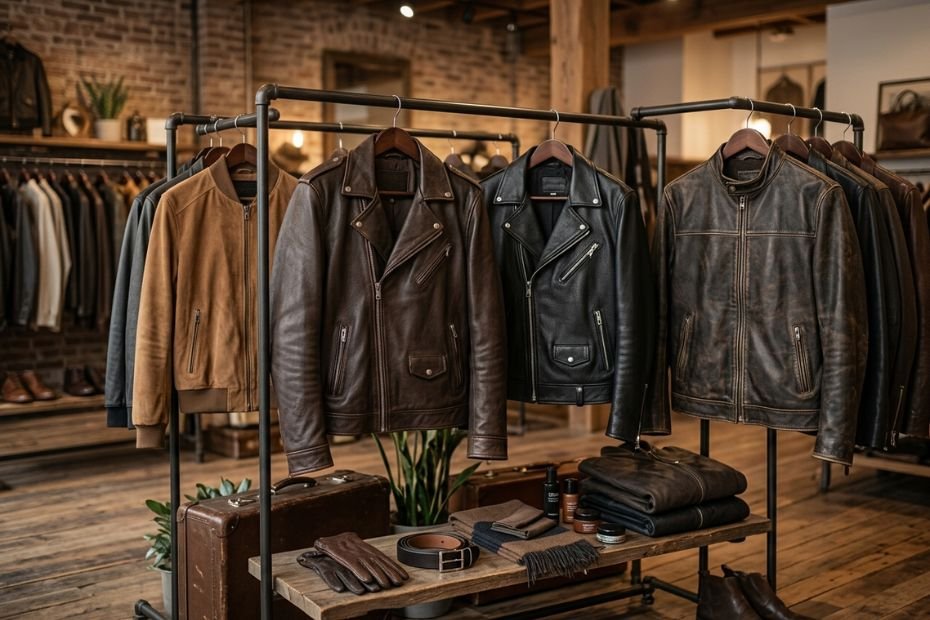
Leather Jackets have emerged as a quintessential element in both fashion and functionality, cementing their status as an enduring wardrobe staple. Their popularity can be attributed to a unique blend of style, durability, and versatility, making them a favored choice for individuals across various demographics. Historically, leather jackets have roots in aviation and military attire, signifying resilience and adventure. Over the decades, they have transitioned into a symbol of rebellion and coolness, frequently embraced by iconic figures in music and film.
The appeal of leather jackets lies not only in their practical construction but also in their aesthetic allure. When crafted from high-quality material, leather offers a rich texture and an ability to develop a stunning patina over time. This aging process enhances the jacket’s character, making each piece distinct to its wearer. Furthermore, leather jackets are extraordinarily adaptable, suitable for casual outings, formal events, or even as part of a layered ensemble during colder seasons.
As you embark on your leather jacket buying journey, this guide aims to provide all the essential information you require to make an informed decision. From understanding various styles and fits to recognizing the importance of genuine leather versus synthetic alternatives, each aspect will be explored thoroughly. This comprehensive guide intends to equip new buyers with the knowledge necessary to choose a leather jacket that aligns with their personal style while ensuring lasting comfort and quality. Whether you are investing in your first leather jacket or adding to an existing collection, the insights provided here will serve you well in navigating this timeless fashion choice.
Understanding Leather Types
When purchasing a Leather Jacket, it is imperative to understand the different types of leather available in the market. Each type varies in quality, durability, and price, and influences the overall aesthetics of the jacket.
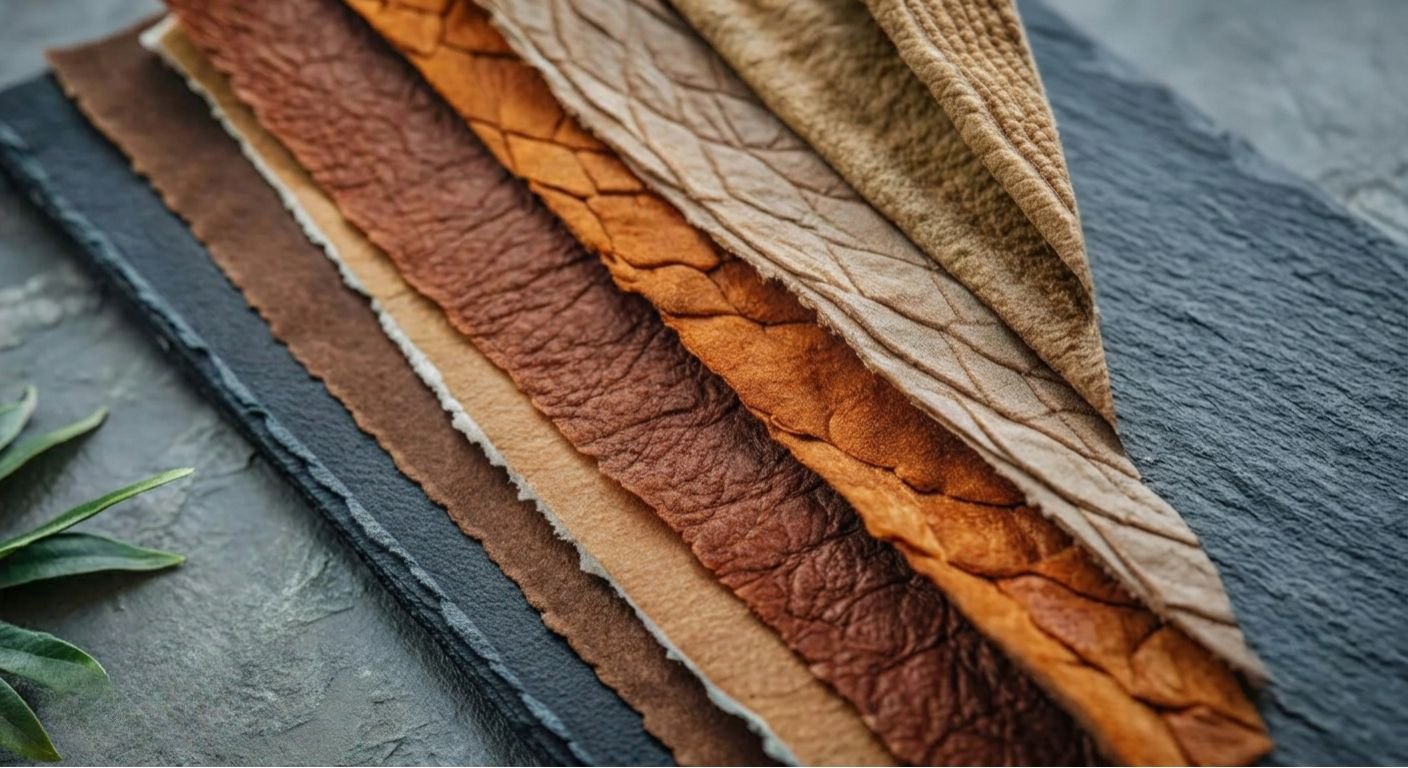
Full-grain leather is recognized as the highest quality type. It is derived from the top layer of the hide, maintaining the natural grain and allowing the material to develop a patina over time. This type is highly durable and resistant to wear, making it an excellent choice for those seeking longevity in their leather jacket. The downside is that full-grain leather typically carries a higher price tag due to its quality and scarcity.
Top-grain leather is the second-highest quality, produced by sanding down the surface of full-grain leather and applying a finish. While it retains much of the natural characteristics, it is less durable than full-grain leather. However, it offers a more uniform appearance, appealing to those who prioritize aesthetic consistency in their jackets. This type generally falls in the mid-range price category.
Corrected grain leather undergoes additional processing to hide imperfections in the hide. Treating the surface with pigments and often embossing it to mimic a natural grain can make corrected grain leather less appealing to purists. However, it is more affordable and is often chosen for fashion jackets where the texture is less of a concern.
Lastly, bonded leather is the least expensive option, made from leftover scraps of leather that are bonded with adhesives. While it may appear attractive, bonded leather lacks durability and often cannot withstand the test of time as its counterparts can. Understanding these various types of leather is essential in making an informed decision when selecting the ideal leather jacket.
Exploring Jacket Styles
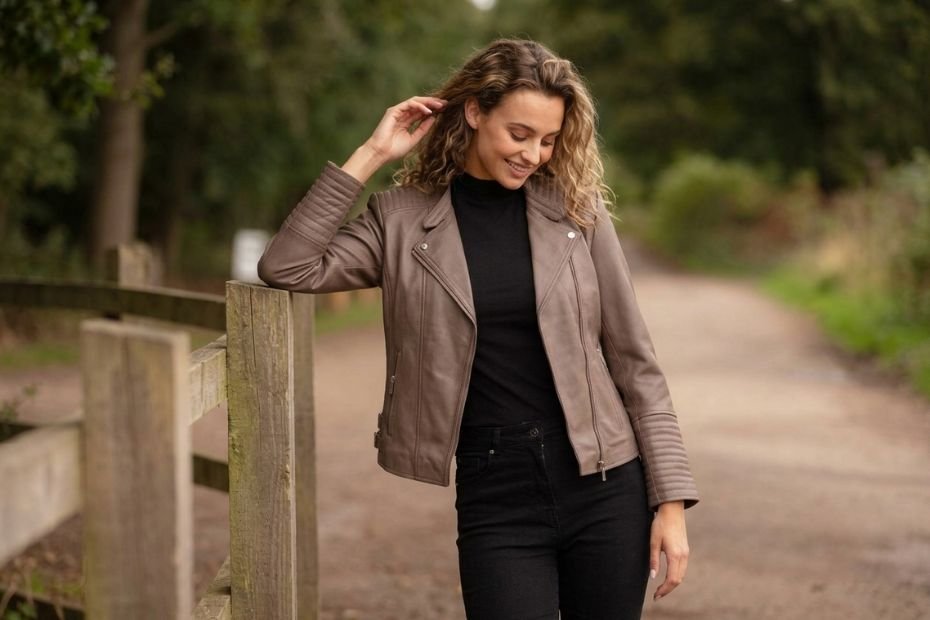
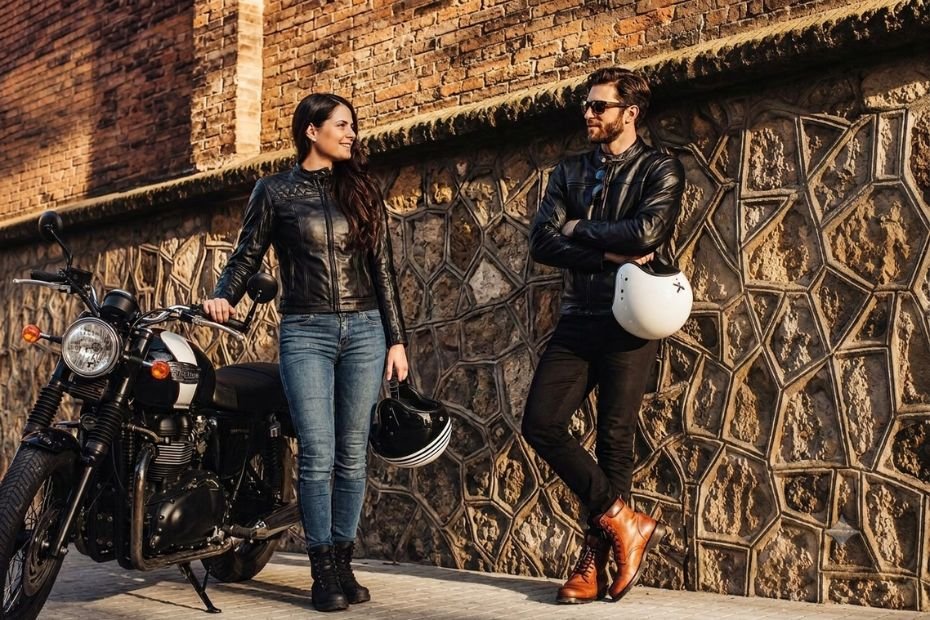
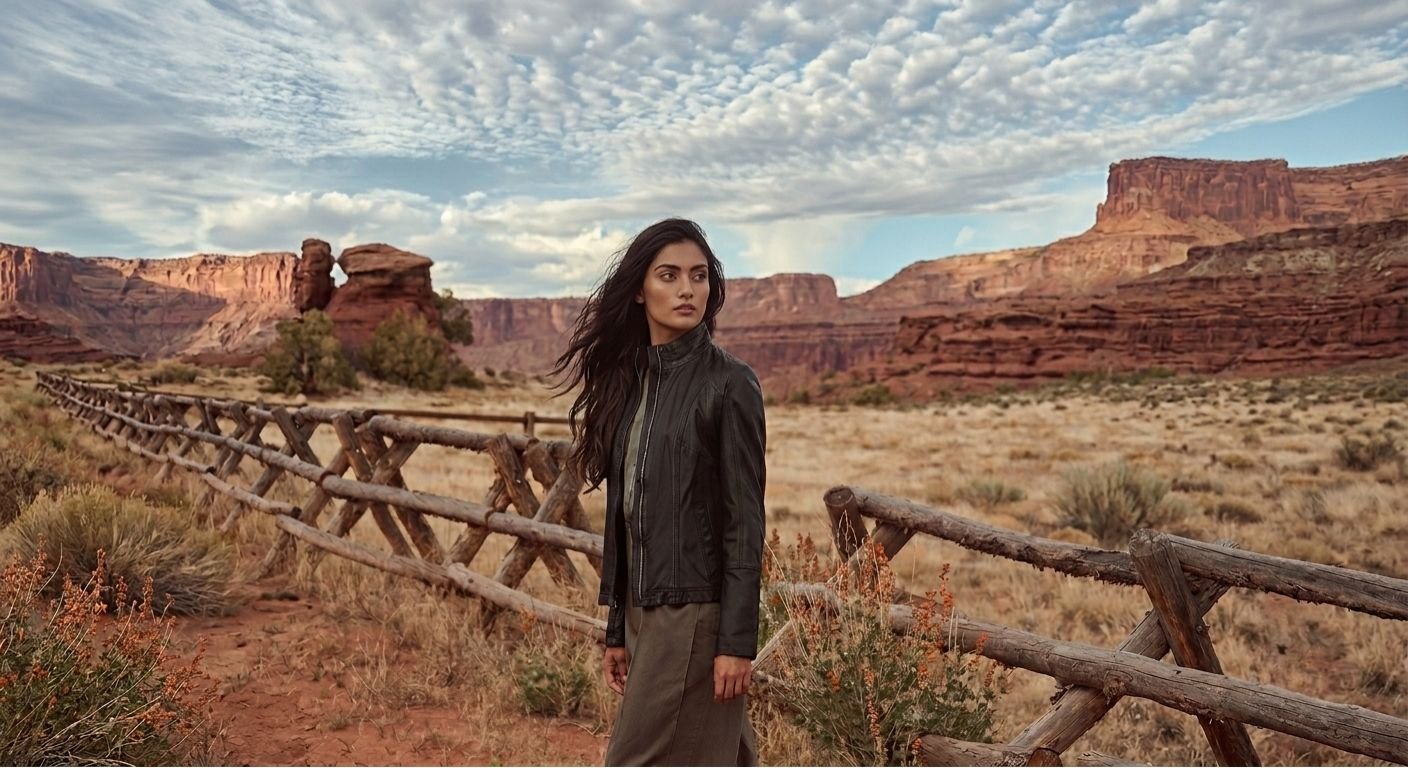
Leather jackets come in a variety of styles, each suited to different occasions and body types, making it essential for buyers to understand their options before purchasing. The Biker Jacket, often characterized by its asymmetric zipper and robust construction, is perfect for those who crave a rugged, rebellious aesthetic. This style not only adds edge to any outfit but also typically features additional elements such as buckles and studs, enhancing its durability and visual interest. Biker jackets are best suited for casual outings or informal events and can complement various body shapes, particularly those seeking a more fitted look.
Another popular style is the Bomber Jacket. Originally designed for aviation use, bomber jackets feature a more relaxed fit with elasticized cuffs and hems. They are versatile and can be worn across different settings, from casual meet-ups to more laid-back work environments. When selecting a bomber jacket, individuals should consider the body type as the slightly oversized silhouette can provide comfort while also allowing for layering in colder weather.
The flight jacket, reminiscent of military styles, is often made of high-quality leather and features unique details such as patches and epaulets. This jacket style exudes a sense of adventure and can easily transition from day to night, making it a trendy choice for fashion-conscious buyers. Flight jackets are particularly favorable for those who prefer a classic look with a touch of vintage flair, as they tend to flatter a variety of body types and pair well with numerous outfits.
Ultimately, the right leather jacket style should resonate with personal taste while catering to the intended usage and body type. Whether opting for the edgy biker, the comfortable bomber, or the classic flight jacket, understanding the nuances of each style will assist potential buyers in making an informed choice that showcases their individuality.
Finding the Perfect Fit
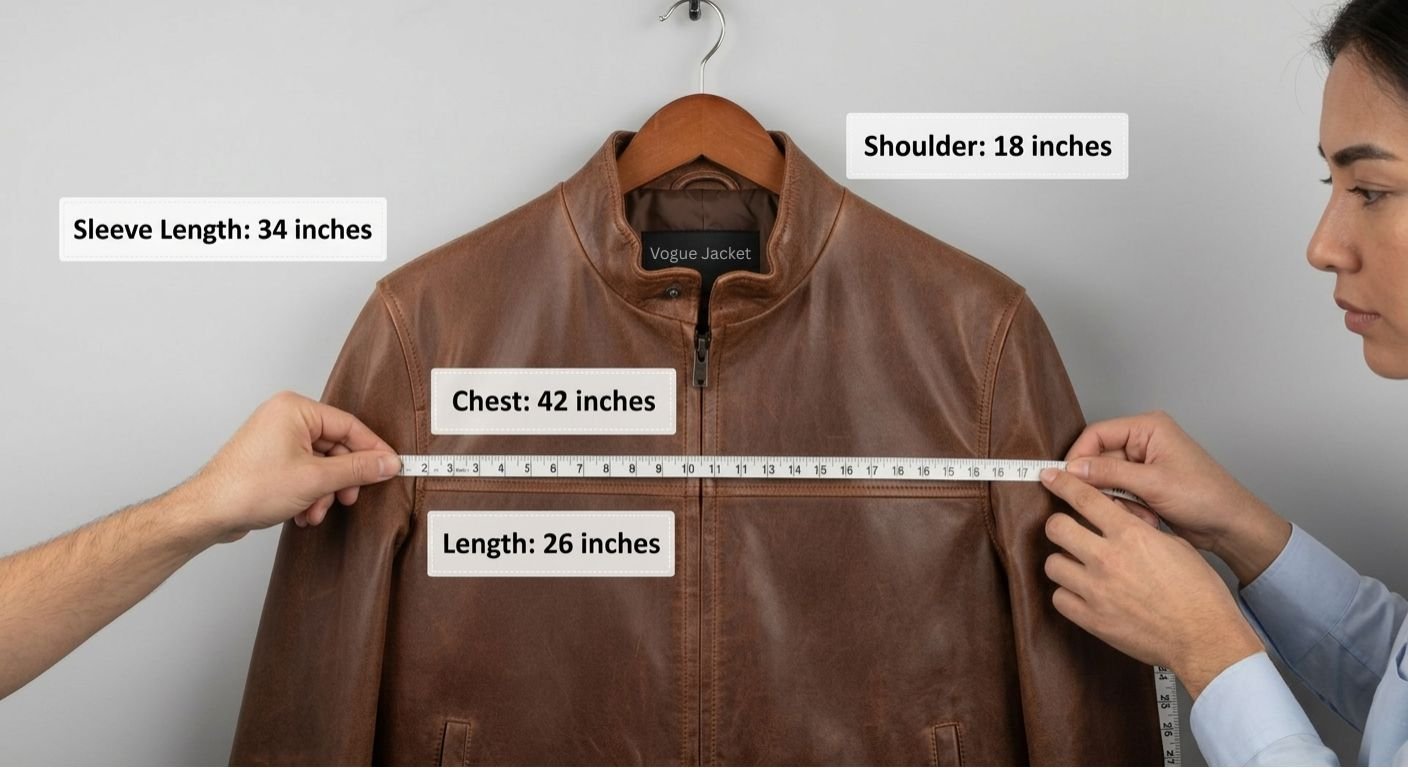
When purchasing a leather jacket, ensuring the perfect fit is crucial to both comfort and style. The right fit will not only enhance your appearance but also allow the jacket to serve its purpose effectively. First and foremost, it’s essential to understand your body measurements, which include the chest, waist, shoulder width, and sleeve length. Taking accurate measurements is the first step toward finding a leather jacket that complements your physique.
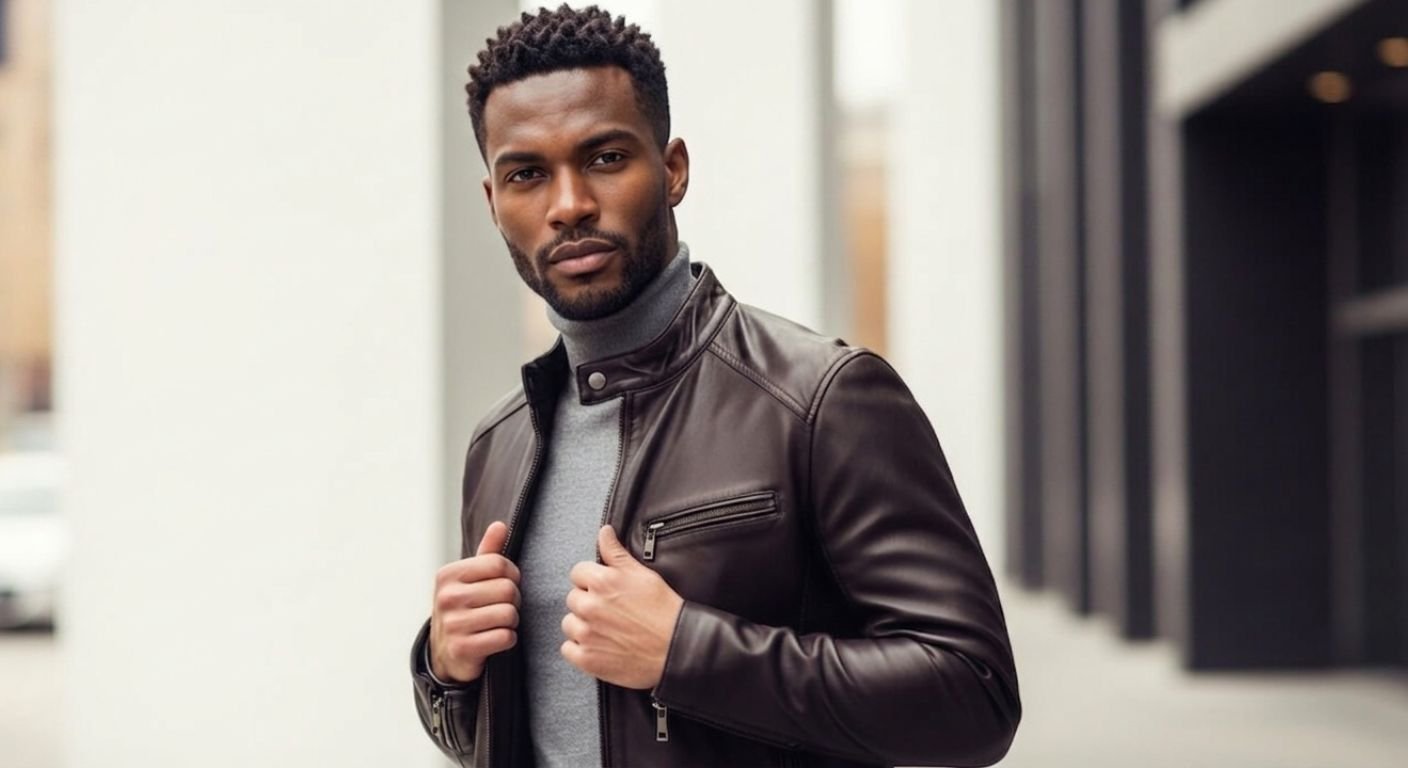
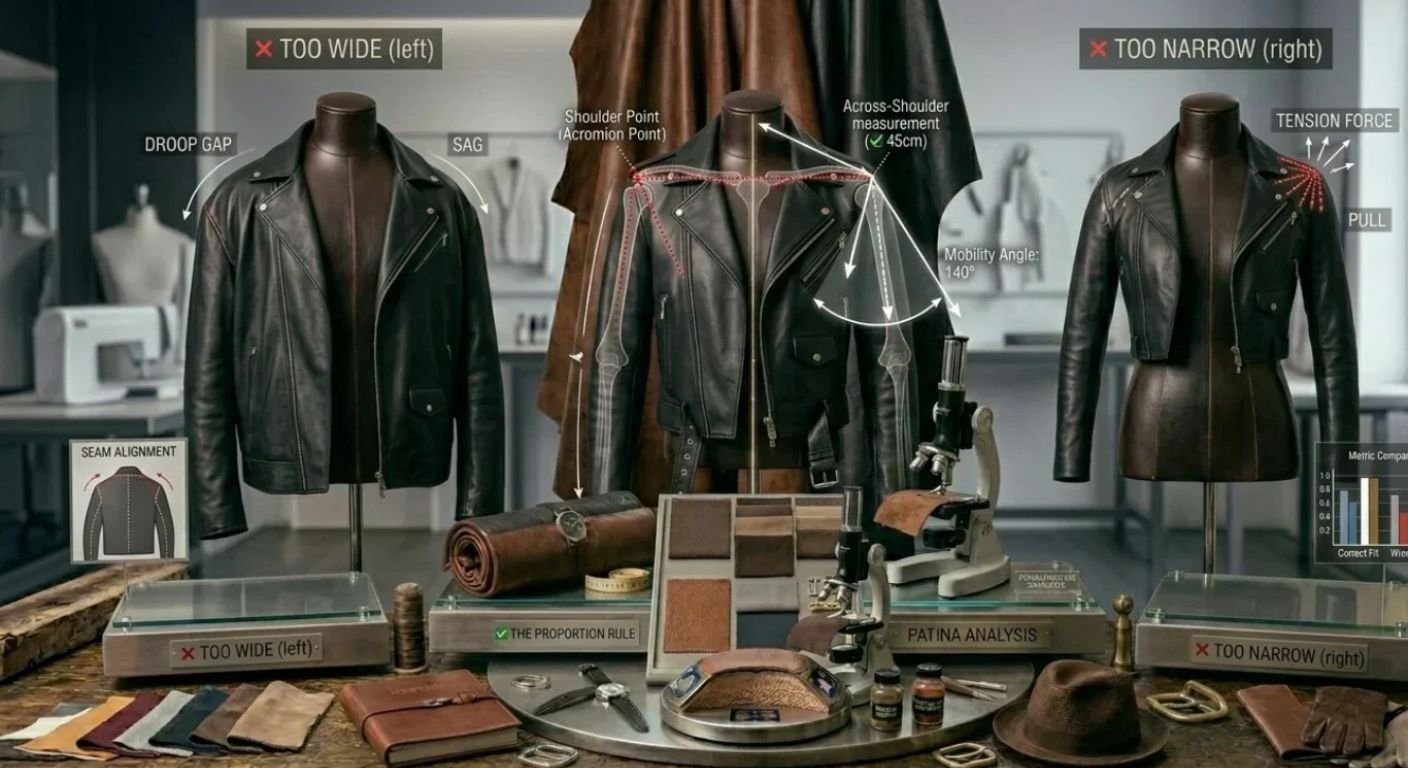
Once you have your measurements, it’s important to assess how the leather jacket fits on your body. A well-fitting jacket should sit snugly on your shoulders without being overly tight. It should follow the natural contours of your body, allowing for ample room to accommodate layering underneath. Pay attention to the shoulder seam, which should align with the edge of your shoulders. This is a key indicator of a well-fitted jacket.
Mobility is another critical factor to consider when trying on a leather jacket. As you move your arms, the jacket should not restrict your range of motion. Raise your arms and twist your body gently to ensure that the jacket does not feel restrictive. You should be able to perform these movements comfortably without feeling constrained. If the jacket hinders your mobility, it may not be the right choice for you.
When trying on leather jackets, utilize various sizes and styles as manufacturers often have differences in their sizing charts. Additionally, check for features such as lining and interior construction, as these can affect the overall comfort. Don’t hesitate to seek feedback from friends or family during fittings, as they can offer a perspective on fit and style that you may overlook. Ultimately, finding the perfect fit means combining precise measurements with personal comfort to select a jacket that is both flattering and functional.
The Importance of Size and Sizing Guides
When it comes to selecting the perfect leather jacket, understanding size and accurately using sizing guides play a critical role in ensuring an ideal fit. Sizing can significantly affect both comfort and style, making it imperative to be well-informed before making a purchase.
To begin, correctly measuring oneself is essential. Typically, measurements should encompass the chest, waist, and sleeve length, as these dimensions contribute to a jacket’s overall fit. Most retailers provide sizing charts to help potential buyers match their measurements to corresponding sizes. However, it is important to note that discrepancies often arise between different brands. Therefore, a jacket labeled as a size medium in one brand may not equate to a size medium in another, necessitating careful examination of individual sizing guides.
Additionally, accommodating for body shape is paramount when selecting a jacket. Not all bodies are similar; various styles of leather jackets are designed to flatter specific shapes. For example, a Biker Jacket may present a more fitted design, while a bomber jacket could offer a relaxed silhouette. Understanding one’s body shape helps in narrowing down options for a leather jacket that can enhance one’s appearance and guarantee comfort.
Moreover, it is advisable to consider layering when purchasing a leather jacket. Since jackets are often worn over sweaters or other attire, ensuring that there is enough room for layering without compromising style is key. When trying on a leather jacket, one should mimic how it will be worn in practical situations, allowing for movement and comfort.
In conclusion, being knowledgeable about size and employing sizing guides effectively can lead to a more satisfying leather jacket purchase. By taking accurate measurements and exploring how different styles cater to varying body shapes, individuals can find jackets that not only fit well but also accentuate their personal style.
Quality Indicators in Leather Jackets
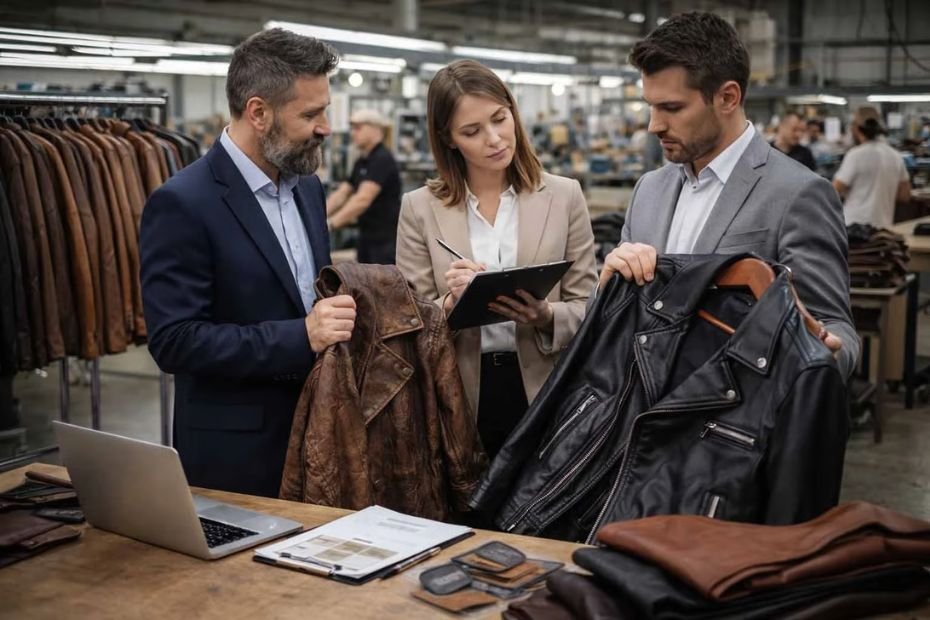
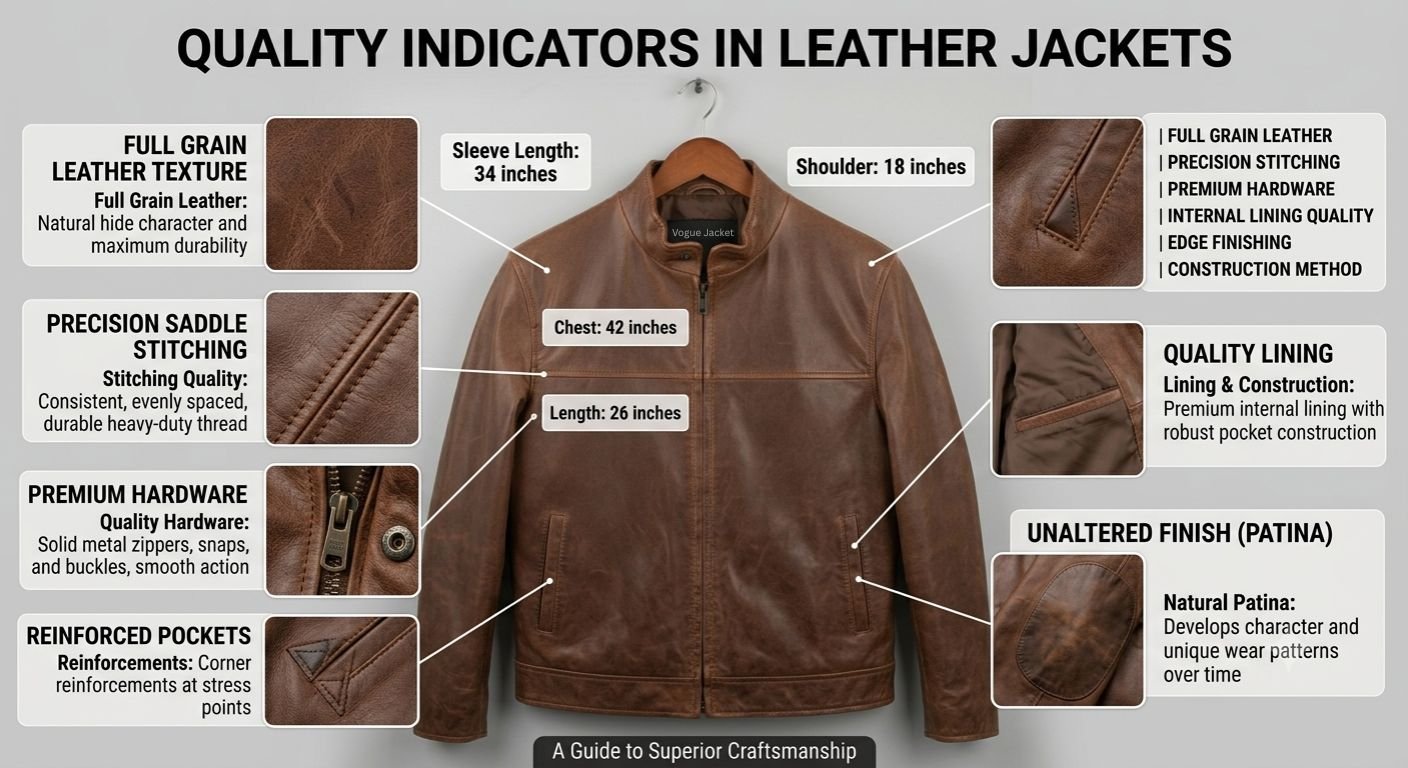
When considering the purchase of a leather jacket, it is vital to assess several quality indicators that can significantly influence both longevity and performance. The craftsmanship of a leather jacket often begins with the stitching. High-quality jackets typically feature strong, uniform, and even stitching. Double or triple stitching is usually a sign of superior construction, which helps prevent rips and tears over time. Ensuring that the seams are tightly secured is essential, as they are often the first areas to show signs of wear.
The type of leather used also plays a crucial role in the overall quality. Genuine leather is preferred for its durability and luxurious feel, but the specific type of leather, such as full-grain or top-grain, can further influence the jacket’s resilience. Full-grain leather, for example, retains the original texture and is known for developing a beautiful patina over time, thereby enhancing its visual appeal and durability.
Another critical aspect to examine is the lining of the jacket. A high-quality leather jacket often features a smooth, comfortable lining made from materials like satin or cotton. This ensures both comfort and breathability, preventing the wearer from feeling too hot or restricted. Additionally, the presence of robust zippers and hardware is a strong indicator of quality. Sturdy, metal zippers are more reliable than plastic alternatives, indicating that the jacket has been designed for practicality and longevity.
Investing in a high-quality leather jacket means looking beyond just the aesthetic appeal. By paying attention to these quality indicators – from meticulous stitching and premium leather types to thoughtful linings and durable hardware – buyers can ensure that their leather jacket will serve them well for years to come.
Evaluating Construction and Durability
When it comes to purchasing a leather jacket, understanding the construction and durability is paramount. A well-constructed jacket not only enhances style but also guarantees longevity. The first aspect to consider is the type of leather. Full grain and top grain leather are often preferred for their durability and authenticity. These types of leather offer natural marks and character that can age beautifully, making them an excellent choice for long-term wear. In contrast, corrected grain leather may be less expensive but does not provide the same level of strength and resilience.
Next, examine the stitching techniques used in the jacket. Quality jackets typically feature double-stitched seams. This method reinforces the fabric, providing added strength against wear and tear. Additionally, attention should be paid to the thread used; high-quality polyester or nylon threads are resistant to fraying and breakage. Inspect the areas of stress, especially around the shoulders and pockets, as reinforced stitching here is a sign of thoughtful construction.
Another essential element to review is the presence of linings and additional materials. A well-lined leather jacket can enhance comfort and durability. Look for jackets that use breathable and moisture-wicking materials, as these can significantly improve the insulative properties of the jacket. Zipper quality also plays a crucial role in the overall durability; opting for heavy-duty zippers, such as those made by YKK, can prevent future issues with opening and closing.
In summary, understanding the type of leather, stitching techniques, and additional materials used in a leather jacket are critical factors that determine its durability. By carefully considering these construction elements, consumers can make informed decisions, ensuring their investment in a leather jacket is worthwhile and provides lasting satisfaction.
Maintenance and Care for Leather Jackets
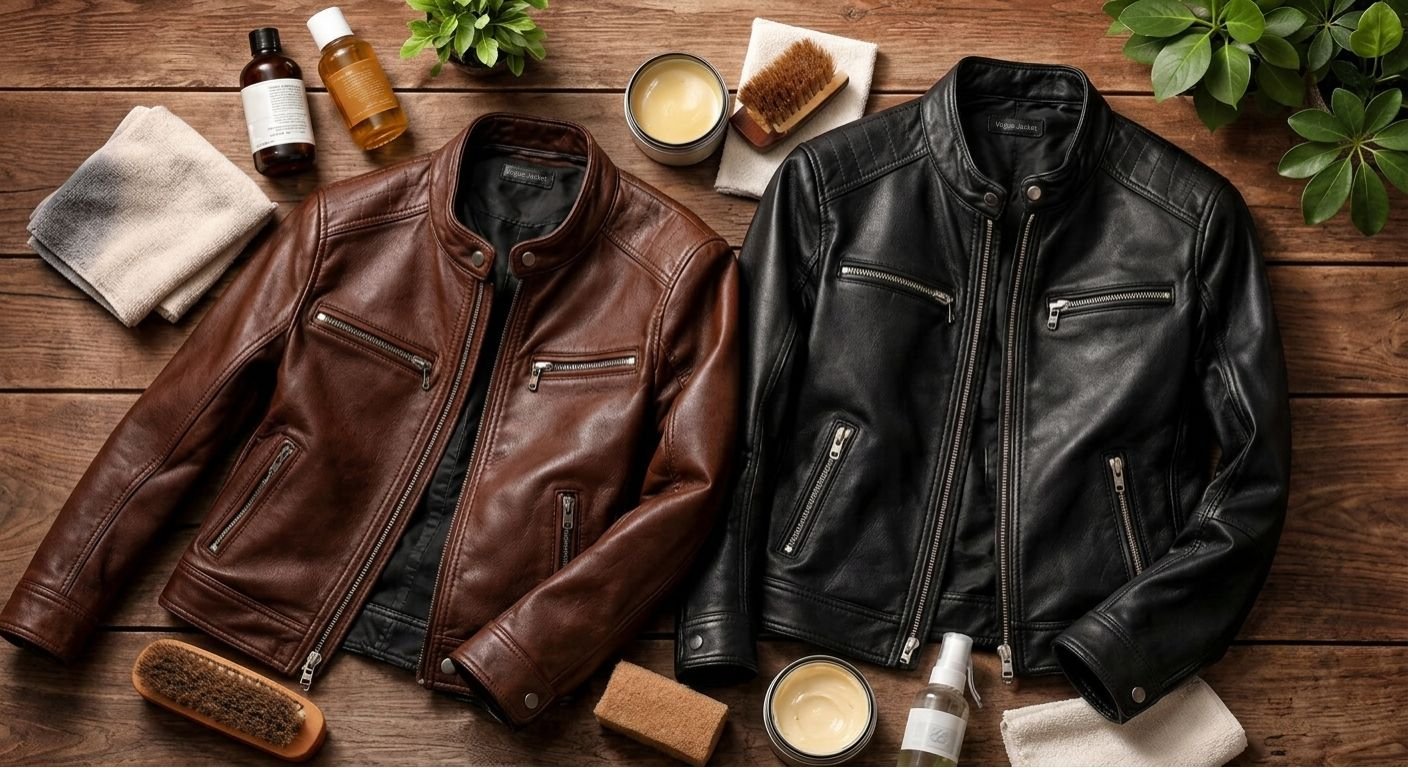
To ensure the longevity of your leather jacket, proper maintenance and care are crucial. Regular upkeep not only maintains the jacket’s aesthetic appeal but also enhances its durability. One of the first steps in caring for a leather jacket is cleaning. It is recommended to use a soft, dry cloth to wipe away dirt and dust. For stubborn stains, a slightly damp cloth can be used, but it’s essential to avoid saturating the leather, as excessive moisture can damage the material.
Conditioning is another vital step in leather maintenance. Leather can dry out over time, causing it to crack and lose its luster. Applying a high-quality leather conditioner every six months can help prevent this issue. Choose a conditioner that is specifically designed for leather, as it will help to nourish the material and keep it supple. Be careful not to over-apply; a little goes a long way.
Proper storage is equally important when it comes to maintaining leather jackets. Always hang your jacket on a wide, padded hanger to help maintain its shape. Avoid storing it in direct sunlight or near a heat source, as these can fade or dry out the leather. It is advisable to keep the jacket in a breathable dust bag when not in use to protect it from dust while allowing air circulation.
In terms of dealing with minor damages, such as scuffs or scratches, many can be addressed at home. A soft eraser can help remove light scuff marks, while small scratches may benefit from a little leather conditioner applied with a cotton swab. In case of water exposure, quickly blot the affected area with a clean, dry cloth and let it air dry away from heat sources.
Budgeting for Your Leather Jacket
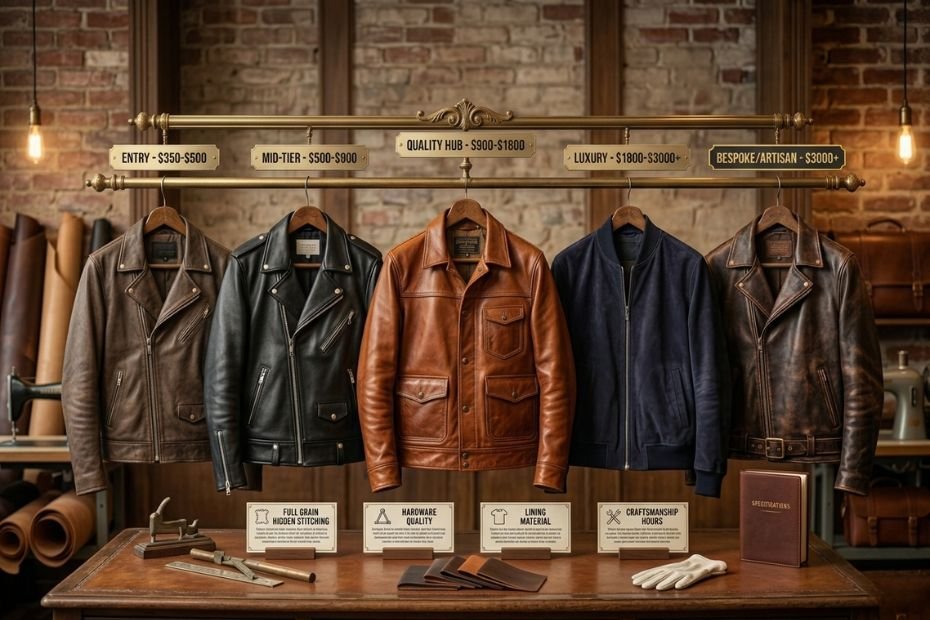
When considering the purchase of a leather jacket, it is crucial to establish a budget that aligns with your financial situation while also factoring in the quality and durability of the jacket. Leather jackets can vary significantly in price depending on factors such as the type of leather, brand reputation, and design intricacies. Typically, budget-friendly options start around $100, whereas premium jackets can range from $500 to over $1,500.
Understanding these price ranges is essential to ensure that you secure a high-quality leather jacket that fits within your financial means. High-quality leather, such as full-grain or top-grain, tends to come with a higher price tag due to its durability and longevity. In contrast, jackets made from lower-grade leather may be less expensive but are likely to wear out quicker. Therefore, it is important to assess the value for money you are receiving by comparing the materials, craftsmanship, and longevity of various options.
Another beneficial tip when budgeting for a leather jacket is to be on the lookout for sales or discounts. Many reputable retailers offer seasonal discounts, and online platforms frequently hold promotions, especially during Black Friday or end-of-season sales. Additionally, subscribing to newsletters from popular leather brands can often provide early notifications of upcoming sales or exclusive offers. By considering these strategies, you can find a high-quality leather jacket that fits your personal style and budget.
In conclusion, by understanding the price ranges and evaluating the quality of Leather Jackets, alongside being aware of sales opportunities, shoppers can make informed purchasing decisions that do not compromise their financial plans.