

Introduction to Leather Types
Leather has long been regarded as a premium material in the world of fashion, particularly when it comes to the making of high-quality jackets. Renowned for its durability, elegance, and versatility, leather not only enhances the aesthetic appeal of garments but also provides functional benefits such as warmth and protection against the elements. With the growing interest in leather fashion, understanding the different types of leather becomes essential for consumers seeking to make informed decisions about their wardrobe investments.
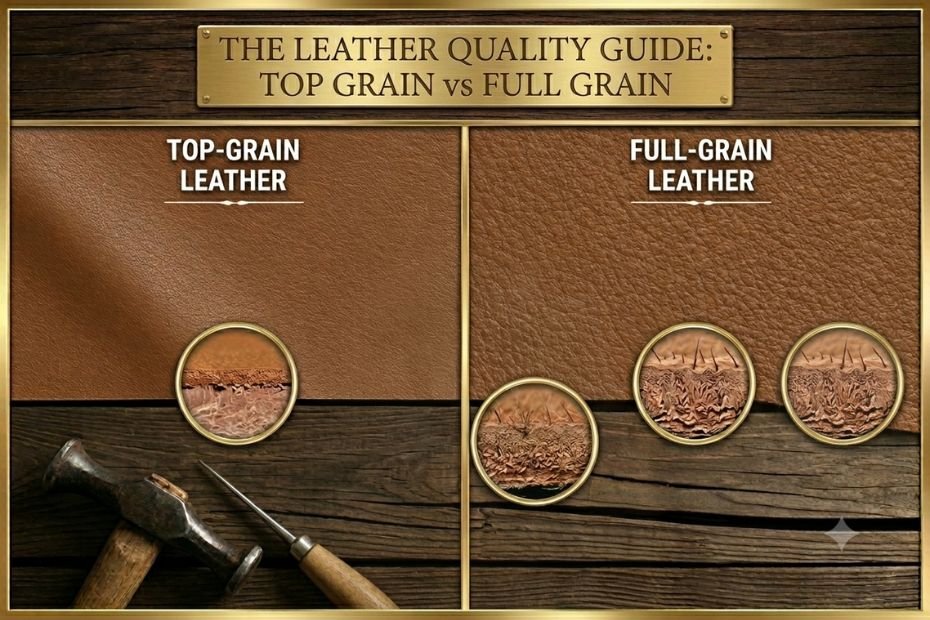
Among the various kinds of leather available, two types stand out as the most commonly used in high-quality jacket production: full-grain leather and top-grain leather. Each type possesses unique characteristics that make them suitable for specific styles and preferences. Full-grain leather, considered the highest quality available, is crafted from the top layer of the hide, retaining its natural grain and imperfections, which contributes to its rustic charm and durability. This type of leather is known for developing a rich patina over time, enhancing its beauty as it ages.
In contrast, top-grain leather is a step down from full-grain but still offers a sleek and refined appearance. It is created by sanding down the surface of the hide to remove imperfections, resulting in a smoother texture. Although top-grain leather may lack the same level of durability and breathability as its full-grain counterpart, it is often more affordable and resistant to stains, making it an appealing option for consumers who prioritize ease of care.
This blog post will delve deeper into the defining features of full-grain and top-grain leather, exploring their respective advantages and disadvantages. By understanding the differences between these types of leather, readers will be better equipped to choose the ideal Leather Jacket for their individual needs and style preferences.
What is Full-Grain Leather?
Full-grain leather is widely regarded as the highest quality leather available due to its unique characteristics and robust nature. This type of leather consists of the entire thickness of the hide, which preserves the natural surface and inherent markings such as scars, wrinkles, and pores. Unlike other leather types, full-grain leather undergoes minimal processing; it is neither sanded nor buffed to hide imperfections, which means that it retains the leather’s original look and feel.
The distinct grain pattern of full-grain leather arises from the natural structure of the hide, allowing it to breathe effectively. This breathability is significant because it enhances comfort and contributes to the leather’s ability to age beautifully. As time passes, full-grain leather develops a rich patina, adding character and depth, which many consumers find desirable. In contrast to top-grain leather, which is sanded to remove blemishes, full-grain leather embraces the natural beauty of the hide, showcasing its unique story.
Furthermore, the durability of full-grain leather is unparalleled among leather types. Its robust nature arises from the fact that it has not been excessively treated or altered, offering superior resistance to wear and tear. When properly cared for, full-grain leather products can last for decades, making them a worthy investment. The structural integrity of this leather means it is less prone to cracking and developing damage over time. As such, full-grain leather is often the preferred choice for those desiring longevity and durability in their leather items, especially in products like leather jackets, where both appearance and performance are essential.
What is Top-Grain Leather?
Top-grain leather is derived from the uppermost layer of animal hides, just beneath the outer layer known as full-grain leather. It is often favored for its practicality and aesthetic qualities, as well as its affordability compared to full-grain leather. One of the defining features of top-grain leather is that it has undergone a process of sanding and buffing to remove imperfections and the natural grain, which contributes to its smooth texture and refined appearance.
This sanding process allows for a more uniform look, making top-grain leather desirable in various applications, including Leather Jackets. Additionally, the removal of the top layer can result in a thinner material, which is lighter and more pliable. These qualities make it an appealing option for those seeking comfortable, stylish leather garments without the premium price tag associated with full-grain leather.
Top-grain leather is often finished with various coatings such as polyurethane or acrylic, which enhance its durability and resistance to stains and moisture. These treatments help maintain the leather’s appearance over time, although they may sacrifice some breathability inherent in full-grain leather. The finishes can also vary in sheen, allowing consumers to choose between matte or glossy surfaces based on personal preference.
While top-grain leather may not boast the same level of durability and patina that full-grain leather does, it still offers a significant level of quality and elegance. Consequently, it is often chosen for its balance between affordability and visual appeal, making it a practical choice for many leather enthusiasts.
Durability: Full-Grain vs Top-Grain
When assessing the durability of leather jackets, two predominant categories emerge: full-grain leather and top-grain leather. Both types have their merits, but their construction and characteristics considerably affect their longevity and resilience.
Full-grain leather, being the highest grade of leather, retains its natural texture and grain. This type of leather undergoes minimal treatment, which allows it to maintain its strength and unique markings. Its tight fibers increase resistance to wear and tear, making full-grain leather jackets well-suited for rigorous use. Over time, full-grain leather develops a beautiful patina that enhances its aesthetic appeal while also providing a protective layer against the elements.
On the other hand, top-grain leather, while still of high quality, undergoes sanding to remove imperfections. This treatment results in a softer finish, making it more immediately appealing to consumers. However, this process can also compromise its durability. The removal of the top layer can result in a thinner material that is more susceptible to scratches and stains, undermining its longevity over time. Although top-grain leather jackets can be quite durable, they may require more maintenance to uphold their appearance, such as conditioning and protective treatments.
In practical situations, full-grain leather often proves superior in environments subjected to harsh conditions. For example, individuals engaged in outdoor activities or work requiring high durability will find full-grain leather jackets to withstand significant abrasion and harsh weather much better than their top-grain counterparts. Conversely, for fashion-oriented consumers who prioritize style over durability, top-grain leather may suffice, but they must be cautious of its limitations.
Ultimately, the choice between full-grain and top-grain leather hinges on intended use and the importance of functionality versus aesthetics.
Appearance and Aesthetics
When considering leather for jackets, the aesthetics of both full-grain and top-grain leather play a pivotal role in consumer choice. Full-grain leather is renowned for its natural beauty, showcasing a rich texture that reveals the hide’s unique characteristics, including scars and natural markings. These imperfections add to the leather’s charm, offering a visual narrative that seems to enhance over time. As the jacket ages, the appearance of full-grain leather evolves, developing a rich patina that reflects the wearer’s lifestyle. This aging process is highly valued by many, as it signifies authenticity and individuality.
In contrast, top-grain leather presents a more polished look due to its treatment and finishing processes, which smoothens the surface and minimizes natural imperfections. This results in a neater aesthetic that appeals to consumers seeking a sophisticated and uniform appearance. The refined nature of top-grain leather is particularly favored by those who prefer a sleek, modern look over the rustic appeal of full-grain. Additionally, top-grain leather can be dyed in a wider range of colors, further offering options to cater to various style preferences.
The perception of aesthetics significantly influences purchasing decisions. Consumers looking for a classic, timeless option may gravitate toward full-grain leather, appreciating its distinctive characteristics and the narrative that comes with its wear. On the other hand, those who prioritize a cleaner, more contemporary appearance might favor top-grain leather for its sleek charm. Ultimately, the choice between these two types of leather reflects individual style preferences and intended use, underlining the importance of aesthetic considerations in the selection process.
Comfort: Feel and Fit
When selecting a leather jacket, comfort is a crucial factor that can significantly influence the wearing experience. Both full-grain and top-grain leather present unique characteristics that impact their feel and fit, often swaying consumer preferences.
Full-grain leather is renowned for its breathability, which stems from its unprocessed state, allowing for better air circulation. This natural structure not only enhances comfort during warmer weather but also contributes to the development of a rich patina over time. The permeability of full-grain leather ensures that moisture can escape, potentially decreasing discomfort associated with sweat buildup compared to other materials. Furthermore, the intricacies in the natural grain create a luxurious feel that can make the jacket more enjoyable to wear.
On the other hand, top-grain leather, while also comfortable, tends to be more processed, resulting in a slightly tighter grain structure. It may not breathe as effectively as full-grain leather, potentially leading to reduced comfort in hot conditions. However, top-grain leather often provides increased flexibility right out of the box, making it an appealing option for those who desire an immediate comfortable fit without the lengthy break-in period that full-grain leather typically requires.
The break-in time associated with each leather type is another important aspect to consider. Full-grain leather often necessitates a period of adjustment, where the material becomes more supple as it conforms to the body’s shape. Conversely, top-grain leather usually offers a more accommodating fit from the moment of purchase, which can be particularly enticing for those looking for quick and straightforward enjoyment without the need for extensive acclimatization.
In conclusion, while full-grain leather excels in breathability and long-term comfort, top-grain leather offers immediate flexibility. The choice ultimately hinges on individual preferences regarding break-in time and the desired wearing experience, thus highlighting the importance of understanding the comfort levels associated with each leather type.
Maintenance and Care
When it comes to leather jackets, the maintenance and care of both full-grain and top-grain leather differ significantly. Understanding these differences is crucial for ensuring the longevity and appearance of your investment.
Full-grain leather is prized for its natural look and durability, but it requires more attentive care. To maintain its superior quality, regular cleaning is essential. This can be done using a soft cloth or brush to remove dust and dirt. For deeper cleaning, a damp cloth with mild soap can be employed, but care should be taken not to saturate the leather. Similarly, conditioning full-grain leather is important; a quality leather conditioner should be applied every few months to nourish the fibers, restoring moisture and preventing cracks.
On the other hand, top-grain leather is easier to care for, primarily due to its treated surface. It can generally withstand spills and stains better than full-grain leather. Basic maintenance involves wiping down the jacket with a damp cloth and using a specific leather cleaner when necessary. However, since top-grain leather has a protective finish, it may not require conditioning as frequently as its full-grain counterpart. Maintaining its sheen can often be achieved with less frequent application of conditioner.
Ultimately, while full-grain leather entails a more rigorous care routine, it rewards wearers with a richer, more unique patina over time. This patina often enhances the character and aesthetics of the jacket. In contrast, top-grain leather offers convenience but may lack the depth of character that full-grain leather accumulates throughout its lifespan. Each leather type has its advantages, and the choice largely depends on personal preference regarding maintenance effort and desired aesthetic outcomes.
Value for Money: Which is Worth It?
When it comes to purchasing leather jackets, understanding the value proposition of full-grain and top-grain leather is essential. Each type brings distinct advantages that can influence your decision based on budgetary constraints and intended use.
Full-grain leather is renowned for its exceptional quality and durability. This material retains the natural grain of the hide, making it extremely resilient to wear and tear. Consequently, a well-maintained full-grain leather jacket can last for decades, often allowing it to withstand trends and remain desirable over time. Although these jackets typically have a higher upfront cost, their longevity can justify the investment when viewed from a long-term perspective.
In contrast, top-grain leather is more affordable, positioning it as an attractive option for those with budget limitations. While it sacrifices some durability and authenticity compared to full-grain leather, it still offers a high level of quality. Top-grain leather undergoes sanding and finishing to remove imperfections, resulting in a sleek appearance but also potentially reducing its lifespan. Buyers should consider how frequently they plan to wear the piece and whether they want to invest in a long-lasting jacket or seek something more economical.
Another aspect to consider is the resale value of each type. Full-grain leather jackets often retain their value better and have a more robust secondary market due to their enduring nature and desirability. On the other hand, top-grain leather jackets might depreciate more quickly, limiting potential resale opportunities.
Ultimately, the decision between full-grain and top-grain leather should factor in individual preferences regarding quality, durability, and price. For those who can afford it and prioritize longevity, investing in full-grain leather is often a wise choice, while top-grain leather serves well for a more budget-conscious option, offering a balance of quality and price.
Conclusion and Recommendations for Jackets
In summary, understanding the differences between full-grain leather and top-grain leather is essential for making an informed decision when purchasing a leather jacket. Full-grain leather, known for its durability and natural beauty, offers a unique character that only improves with age. Conversely, top-grain leather, while smoother and more uniform in appearance, sacrifices some of the ruggedness and breathability that full-grain leather provides. Each type has its advantages and serving distinct preferences and uses.
When selecting a leather jacket, consumers should carefully consider their lifestyle, budget, and style preferences. Full-grain leather jackets may come at a higher price but are often more durable, making them a worthwhile investment for fashion-forward individuals who prioritize longevity. Meanwhile, top-grain leather may appeal to those who prefer a polished look while still enjoying quality leather at a more accessible price point.
It is crucial to stay informed about the quality of leather used in any jacket purchase. Many premium brands, such as Vogue Jacket, distinguish themselves by their commitment to using high-quality materials, ensuring that customers receive leather that not only looks good but also lasts. Opting for trusted brands with solid reputations can make a significant difference in both satisfaction and investment longevity.
Overall, taking the time to assess the differences between full-grain and top-grain leather is imperative for those looking to invest in a leather jacket. By prioritizing quality and durability, consumers can enjoy stylish outerwear that serves them well over the years.